
The graphic designer and co-founder of studio 2x4 builds interdisciplinary teams that create brand identities and immersive environments for such notable clients as Prada and Cooper Hewitt.

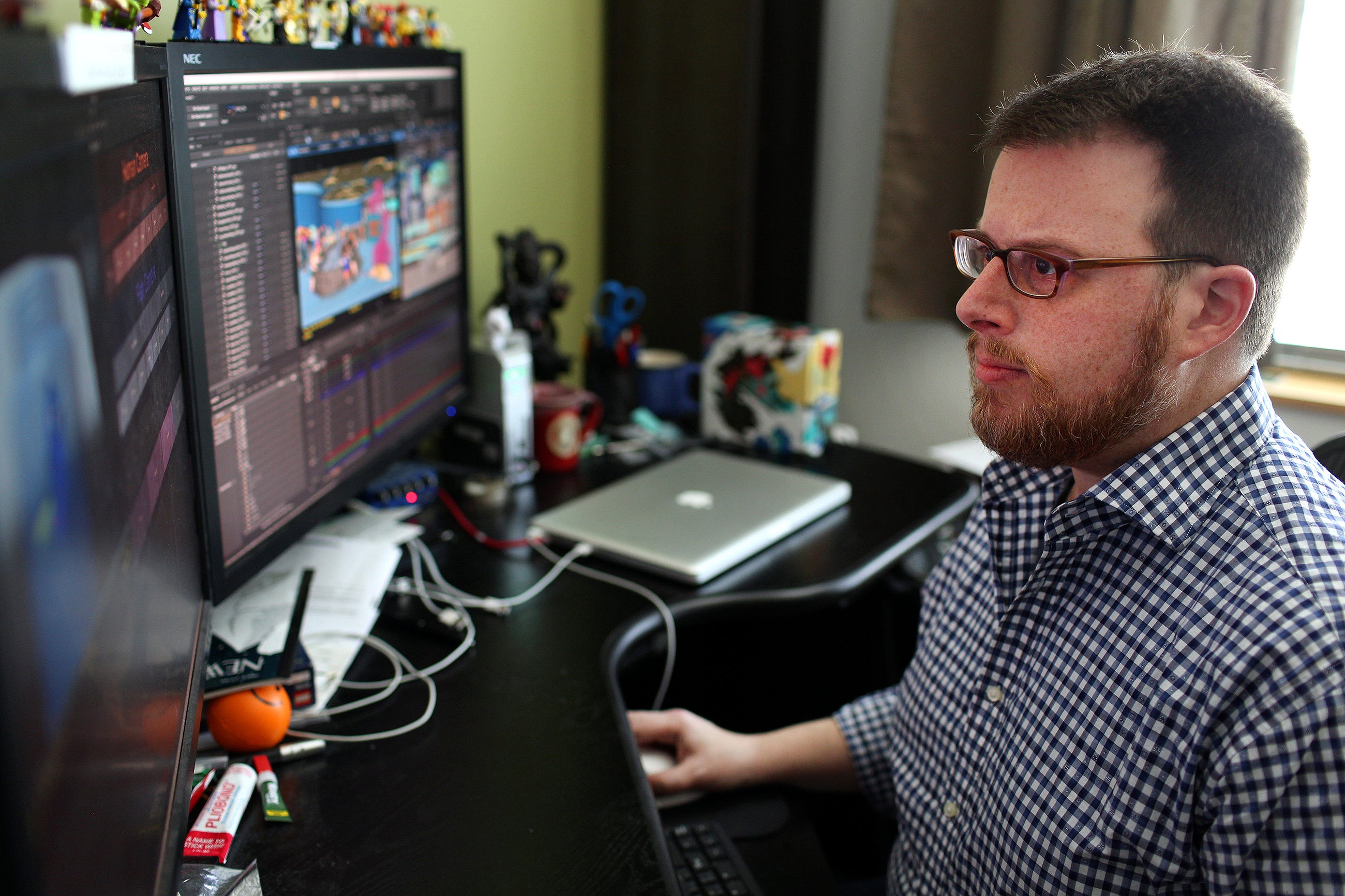
Award-winning cinematographer Jeremy Lasky 97 FAV began working at Pixar Animation Studios weeks after graduating from RISD. He is credited as director of photography on over 12 feature films, including three Best Animated Feature Academy Award winners: Finding Nemo, WALL-E, and Toy Story 3. Here he discusses his love of collaboration and other lessons learned at RISD that continue to resonate.
Describe your role at Pixar.
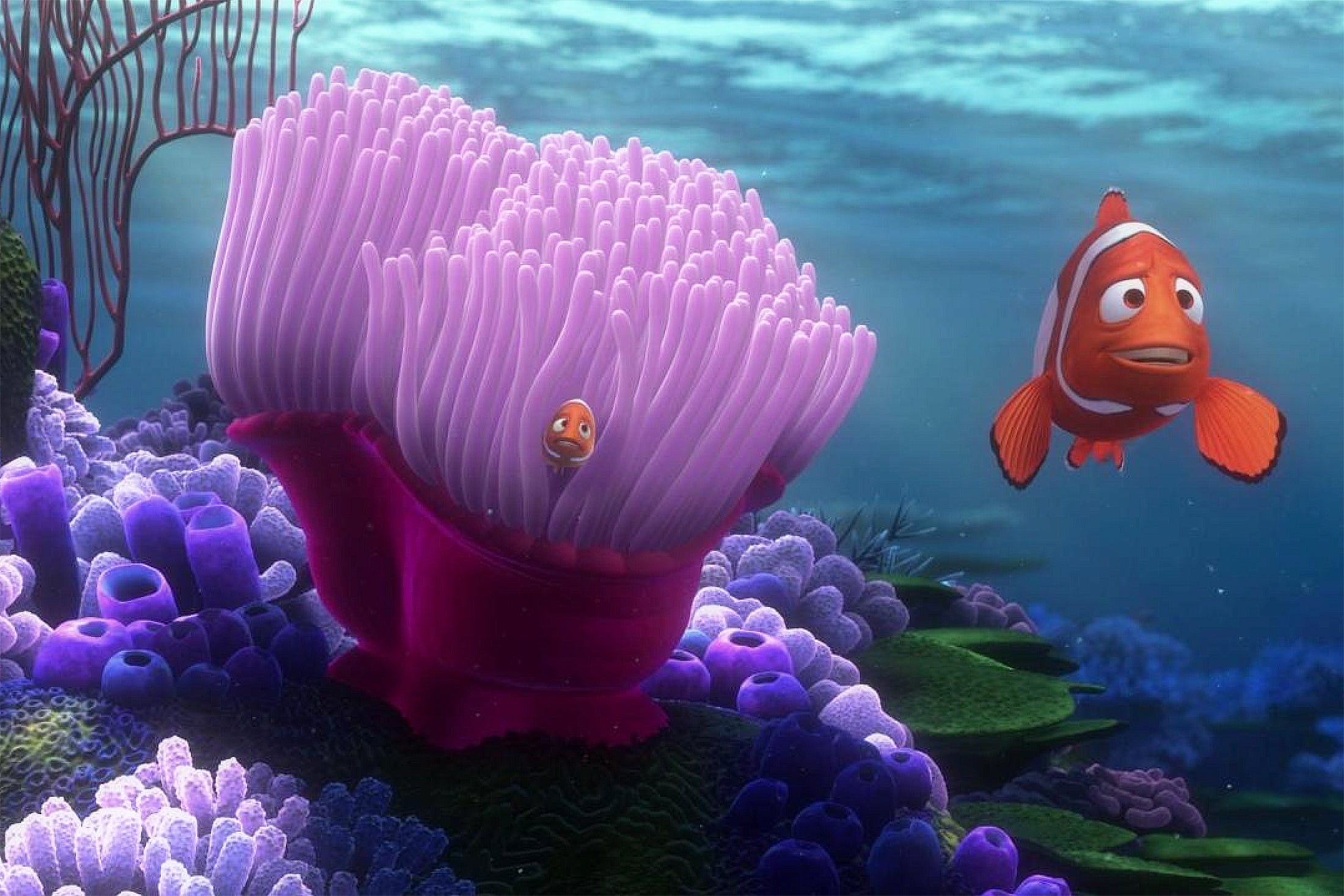
I’m a director of photography in animation, which isn’t much different than being a DP in live-action work. Our movies all start as scripts and concept art. As they move through preproduction, animators start drawing storyboards that map out what the characters are doing and feeling. Then the production designers start building out the world. What does the reef look like in Finding Nemo? Even though it’s all in computer graphics, I’m thinking about what lenses we’re going to use, what sort of virtual camera, how it moves, how the shots are framed.
What do you like most about the job?
Every film has a different problem to solve. Maybe there are a lot of characters or the director has never worked in computer graphics before and needs some training. You’re always questioning, adjusting, and recalibrating this thing you’re making. Ultimately, what I love is that I’m doing it with a group of other artists and we’re all figuring it out together. It’s so much fun!

Did you always want to work in animation?
I knew I wanted to be an artist, but I thought maybe I’d be an illustrator. When I went to RISD, I thought I wanted to be a Disney animator when that was all hand-drawn, before CG. I was taking illustration classes and animation classes, experimenting with all of these different techniques. But I learned that I didn’t enjoy animating and wasn’t great at it.
And this was before Disney purchased Pixar. What inspired your shift in plans?
When I saw Toy Story, my jaw was on the floor. It was really the storytelling. There weren’t any princesses, and none of the characters burst into song at inopportune times. There were a couple of people ahead of me at RISD who were working at Pixar and told me that there was a department all about cameras, staging, and figuring out the storytelling in a cinematic way. I got hired right after graduation and got to work on Toy Story 2 and Toy Story 3.
Why did you initially choose to study at RISD?
The thing that drew me to RISD was the quality of work coming out of there, its reputation, its faculty, but mostly it was the campus visit. I thought, there’s a community here that I really want to be a part of. I didn’t need a fraternity or a football team, but I wanted to feel like I was part of a community. When I moved to Providence, I was suddenly surrounded by artists from all over the country and all over the world. They all had different backgrounds and styles of working, and that really opened me up.
What lessons did you learn at RISD that you still carry with you today?
I became more successful and more confident by working with other people. We would encourage each other and push each other. I like to bounce ideas off people. I try to re-create that with the people I work with at Pixar. The other thing that made an impact was the constant critique. You learn that it’s about the work and not about you.
Is there one film you’ve contributed to that you feel is most representative of your work?
WALL-E really changed how people thought an animated film could look. We had a specific goal in mind: to make it feel like a lost sci-fi film from the ’70s or ’80s. What those films have in common is anamorphic lenses, which create a wide screen, a very distorted, heavy blur in the background, and not much depth of field. We modeled our lenses to shoot that way. We also gave it a documentary-esque style. WALL-E was always driving what the camera was doing. We wanted the audience to experience things alongside the character. It was incredibly difficult but also really rewarding.
Life After RISD is an ongoing series featuring alumni making outsized impact in culture and industry. Stay tuned for more from our graduates on how RISD has helped to shape their practices and the way they engage with the world.
interview by Simone Solondz / top photo by Stephanie Martinez-Arndt
July 6, 2026
The graphic designer and co-founder of studio 2x4 builds interdisciplinary teams that create brand identities and immersive environments for such notable clients as Prada and Cooper Hewitt.

The award-winning Bahamian artist and educator discusses the creative breakthroughs that drove her to pursue her calling as a professional artist.

The international menswear designer uses color and a mix of European, American, and Japanese influences to create wearable clothes that boost customers’ confidence.