
The audience cheered in support as FAV seniors showed their animated and live-action films to a packed RISD Auditorium.

What if a rat wanted to cook? What if someone brought dinosaurs back to life? What if a mob boss secretly saw a therapist because he had issues with his mother?
As Assistant Professor Christy Karacas 97 FAV explains, all stories begin with a what if statement. (The examples above are the what ifs for the animated film Ratatouille, the blockbuster hit Jurassic Park, and the award-winning TV series The Sopranos.) “They are simple questions that can spark a story you might want to explore and help you turn off your sense of logic and let your imagination run with it,” Karacas explains.
The RISD alum and animated filmmaker behind such popular works as Superjail! and Space War is back in Providence teaching in the Film/Animation/Video department. His fall Storyboarding course focused on how to translate scripts into visual images with clarity and creativity. Students studied the language of film—both animation and live action—including different kinds of shots, approaches to editing, and the other conceptual strengths and technical capabilities needed to visualize from the written page.
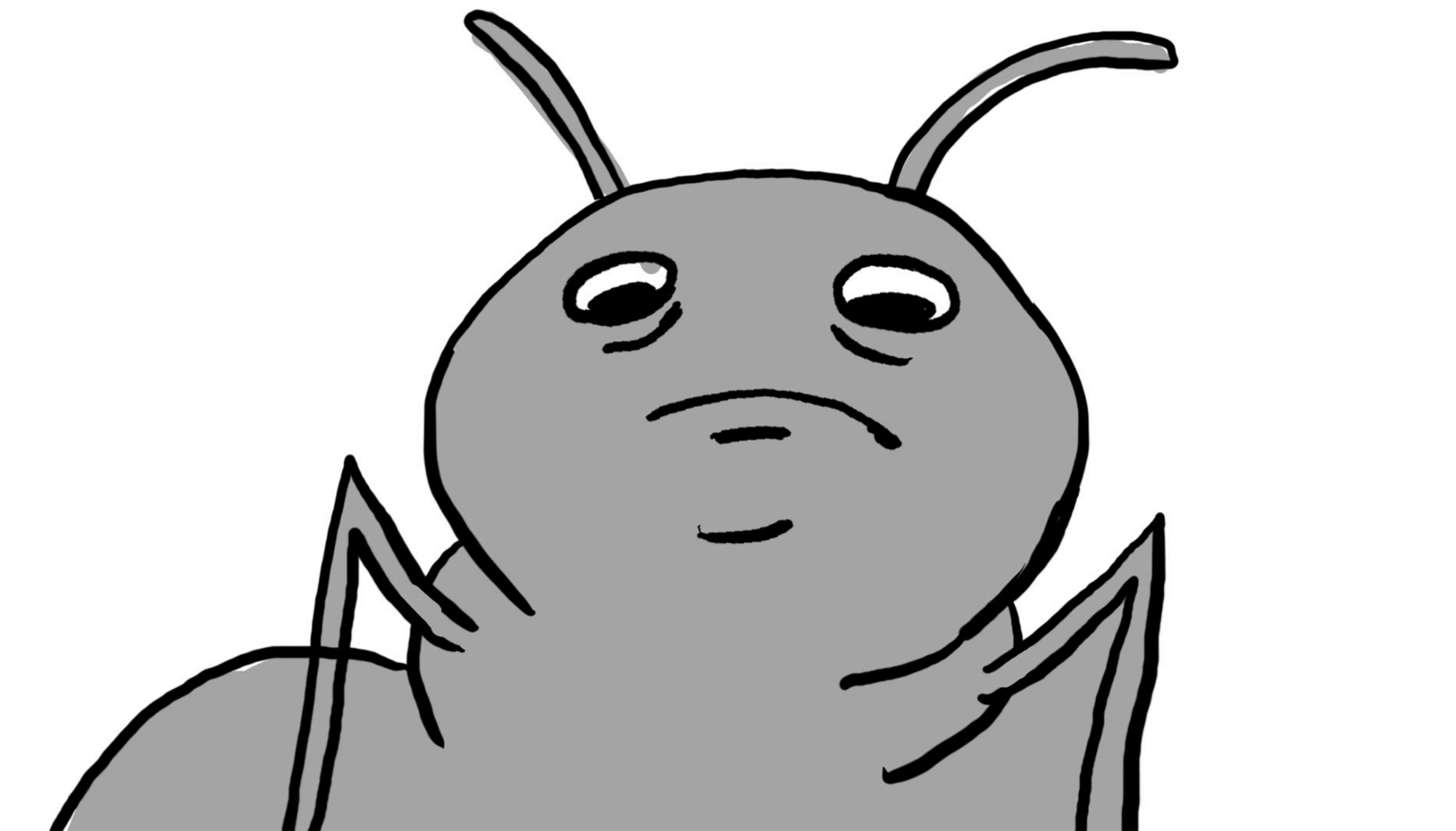

“Another thing I do is give students 20 pages of blank storyboards and only one instruction: start with someone or something making a sandwich,” Karacas says. “It’s always fun to see where they take the story, and the goal is to build their confidence so they can jump right in without overthinking it.”
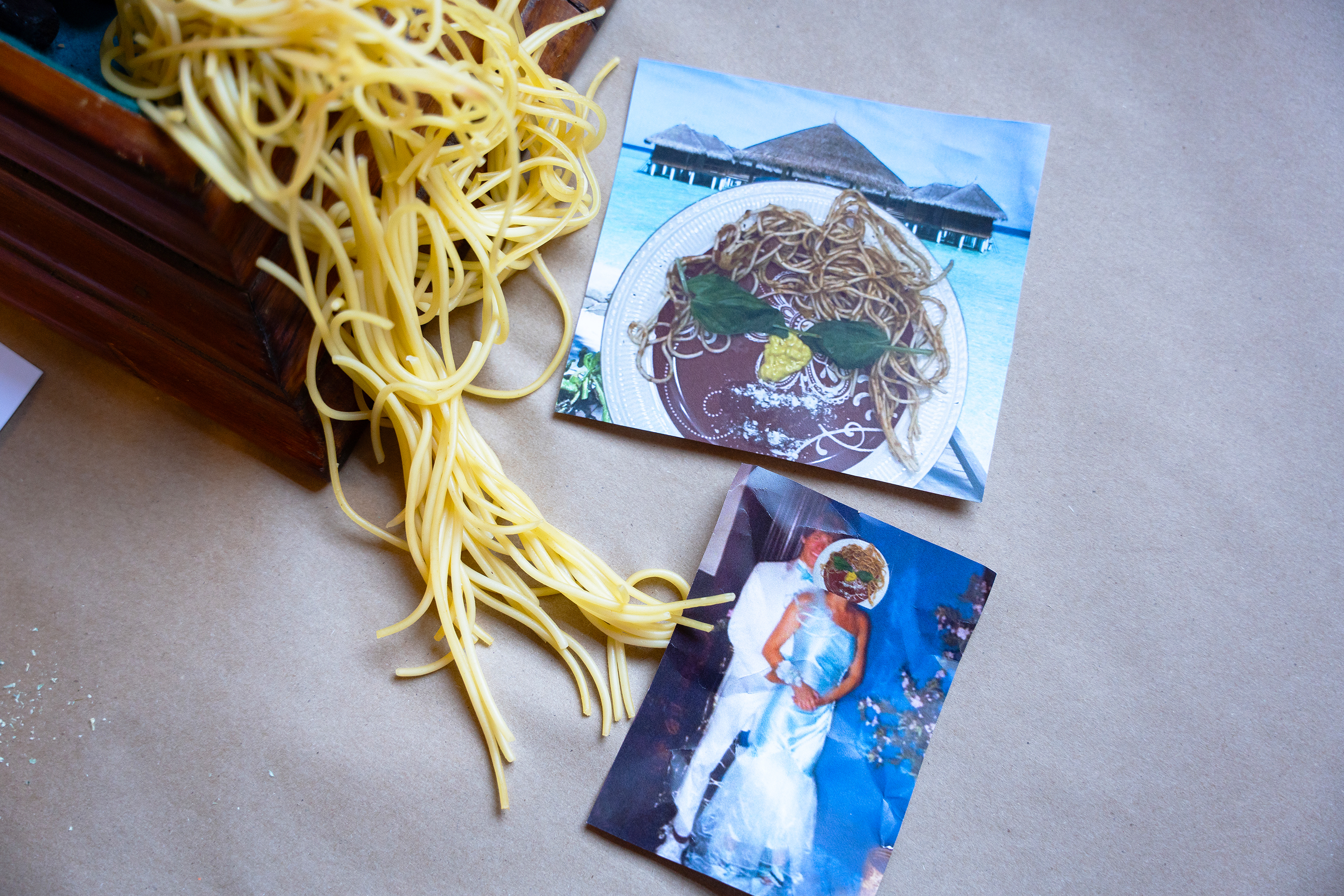
Students presented their work at a final review session in mid-December, moving (in Karacas’ words) “from performance art to [legendary director Akira] Kurasawa to comedy.” Junior Kati Snotherly 27 FAV shared a tabletop installation responding to the question “What if your girlfriend was half human and half spaghetti?”
“The technology has changed a lot, but that doesn’t change what this class is about: telling stories that resonate with people.”
Senior Jon Eke 26 FAV showed three cartoons in progress featuring a cheerful flower and his grumpy companion Plantpot. “I’m gonna do the voices,” he warned the class before running through the storyboards and narrating the hilarious plots in real time.
In evaluating the projects and providing constructive criticism, Karacas notes that it isn’t a question of good or bad/right or wrong. “It’s more about what kind of story they want to tell,” he says. “It’s hard because the industry has conventional standards, so if you hope to get a job in the industry you need to know these things. But some students are making personal work and trying new techniques and innovations that make the pieces unique.”
Sophomore Mo Olaniyi 28 FAV showed an animated film called Love Birds featuring a lovesick pigeon and asked the class if the ending of the piece was clear. “Endings are usually the hardest part, and the choices you make really matter to the narrative,” said Karacas. “I think this piece could have a bigger, stronger ending. Maybe the rain could stop and the sun could come out.”
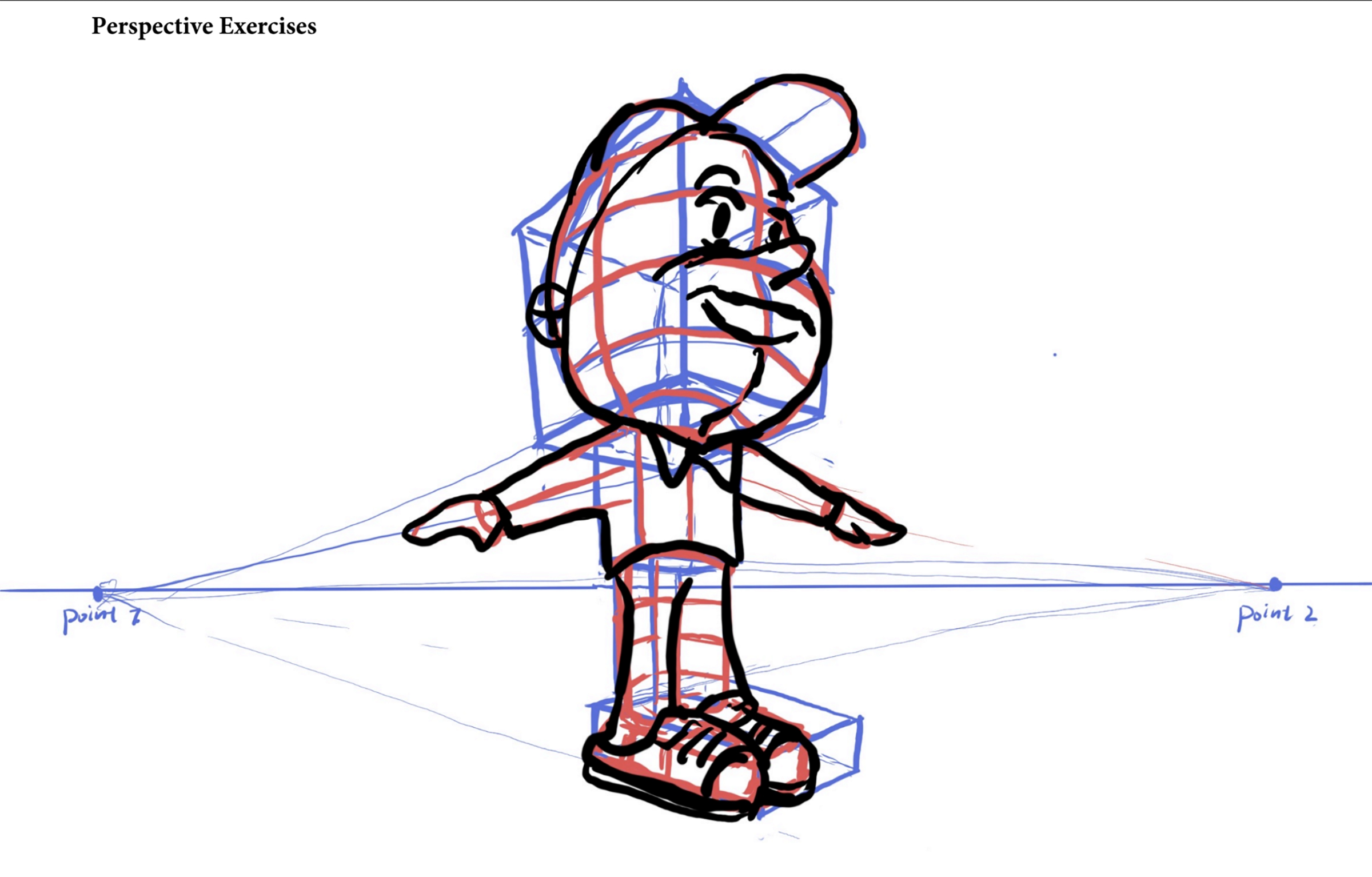
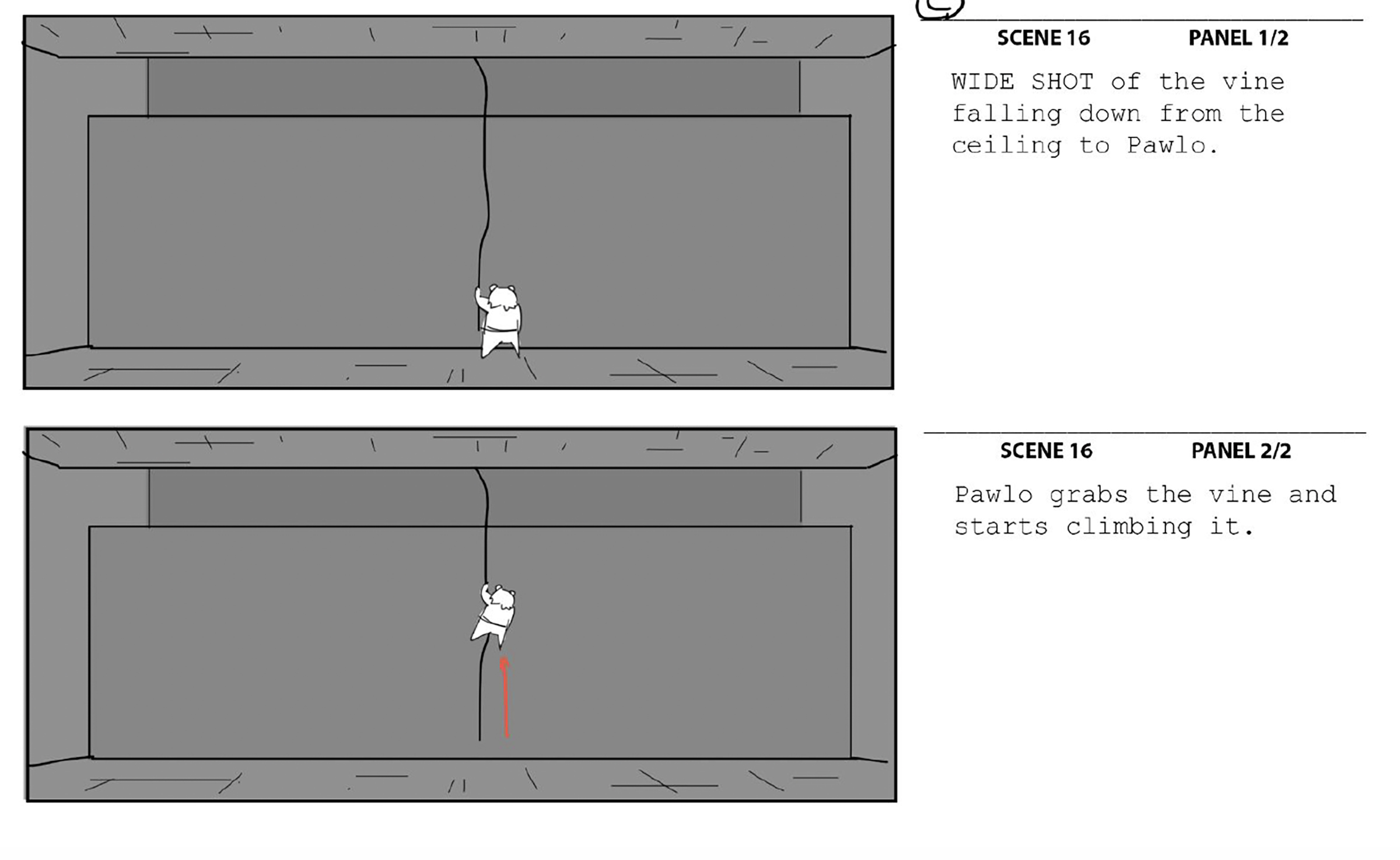
Senior Patrick Millard 26 FAV tested out some scenes on the group that he’s planning to include in his final senior film—some created using traditional storyboarding techniques and others created in a program called Storyboarder by Wonder Unit. The class was impressed with his improvised dialogue, and one student noted that he has “really good comedic timing.”
Has technology changed so much since Karacas was a student that he’s had to rethink the course content? “The technology has changed a lot, but that doesn’t change what this class is about: telling stories that resonate with people and creating characters and situations that hook the viewer into caring,” Karacas responds. “The course offers a pretty equal mix of technical know-how, craft, and creative emotional choices.”
Top image: from storyboard by junior Zihan Feng
Simone Solondz
December 18, 2025
The audience cheered in support as FAV seniors showed their animated and live-action films to a packed RISD Auditorium.

Eleven arts educators and a full-time librarian join the community, bringing a wealth of new knowledge and perspectives to RISD students.

Offered through the Film/Animation/Video department, the course explored the role of movement in public projections that breathe new life into the built environment.