
The unconventional designer creates unexpected, humorous objects with stories to tell about consumer culture.

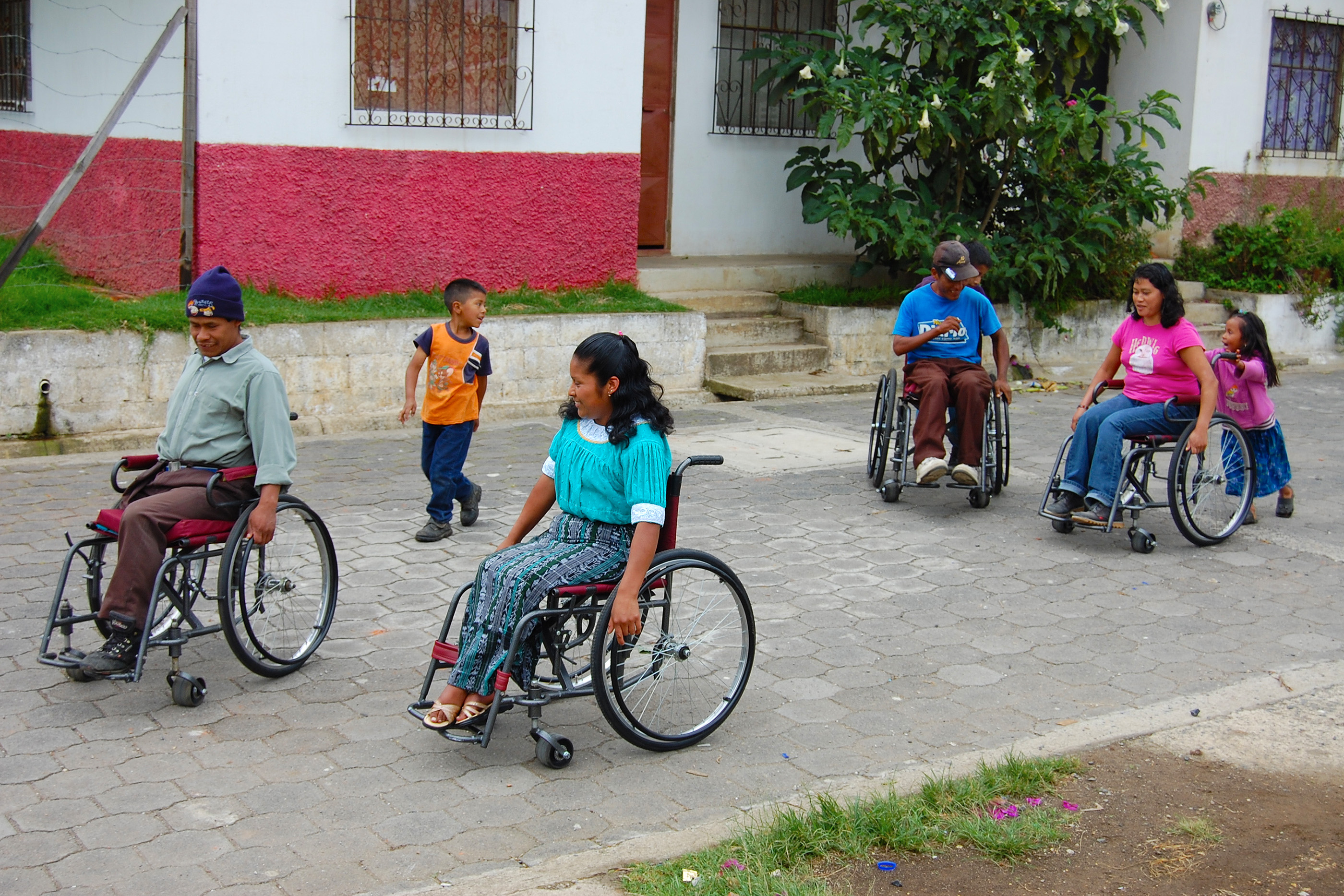
After earning a graduate degree from RISD’s Industrial Design department, designer Juan Carlos Noguera MID 15 went on to create culturally appropriate, low-cost wheelchairs and other mobility solutions that have improved the quality of life for thousands of people in his native country of Guatemala. He was lead designer at Voxel8, where he helped develop the world’s first 3D electronics printer, and he earned the 2024 Vilcek Prize for Creative Promise in Design, honoring immigrant professionals who have made significant contributions to American society. In addition to maintaining a studio practice, he teaches at the Rochester Institute of Technology (RIT), where he focuses on emerging technologies, inclusive design, and creative pedagogy. Here Noguera shares his thoughts about life after college and lessons learned at RISD that still resonate.
What initially made you want to be a designer?
When I was young, I wanted to create beautiful, sexy-looking things like cars. But as I progressed, I realized that in Guatemala, where I’m from, I wasn’t going to be designing cars or household appliances. Instead of being disappointed by that, I learned how I could use my own identity to affect people’s lives and make positive change.
“It took me a while to realize that my background is an asset rather than a problem.”
What would you say is the most useful skill you bring to your discipline?
Empathy. Sometimes you get a problem that’s completely new or you’re trying to design for a person in a totally different context than the one you are in. I remember being an international student at RISD and worrying that I didn’t have the skills or access to technology that someone educated in the US might have. It took me a while to realize that my background is an asset rather than a problem. The way that I solve problems is a little bit different, which makes me a useful part of a team.
Why did you initially choose to study at RISD?
I remember reading about things that were happening at RISD when I was a teenager. Earning my Master of Industrial Design at RISD was a dream come true. I was fortunate enough to get a Fulbright scholarship and a RISD Presidential Scholarship to pursue my graduate education at RISD, which was a great honor.
What lessons did you learn at RISD that you still carry with you today?
The thing I learned as a grad student at RISD is that the number one asset you have is the network of connections you make, the people you meet who you ultimately end up working with. In my case, those connections landed me an internship at the Harvard School of Engineering, which spun into a startup company and a series of very interesting projects I wouldn’t have encountered if I wasn’t part of the RISD community.
Any studio assignments or experiences that still stand out to this day?
I remember taking an art and design history class with Professor Beth Mosher. We had a weekly assignment to redesign a Starbucks coffee cup in the style of whatever vanguard we were talking about: kintsugi or wabi-sabi or whatever. I remember ripping up the cup and putting it back together with gilding. It was a very tacit type of learning that was unforgettable. I’ve adopted that kind of project-based, experiential learning in my teaching practice.
How and why did you get involved with Guatemala’s Transitions Foundation, which helps people recovering from traumatic injury?
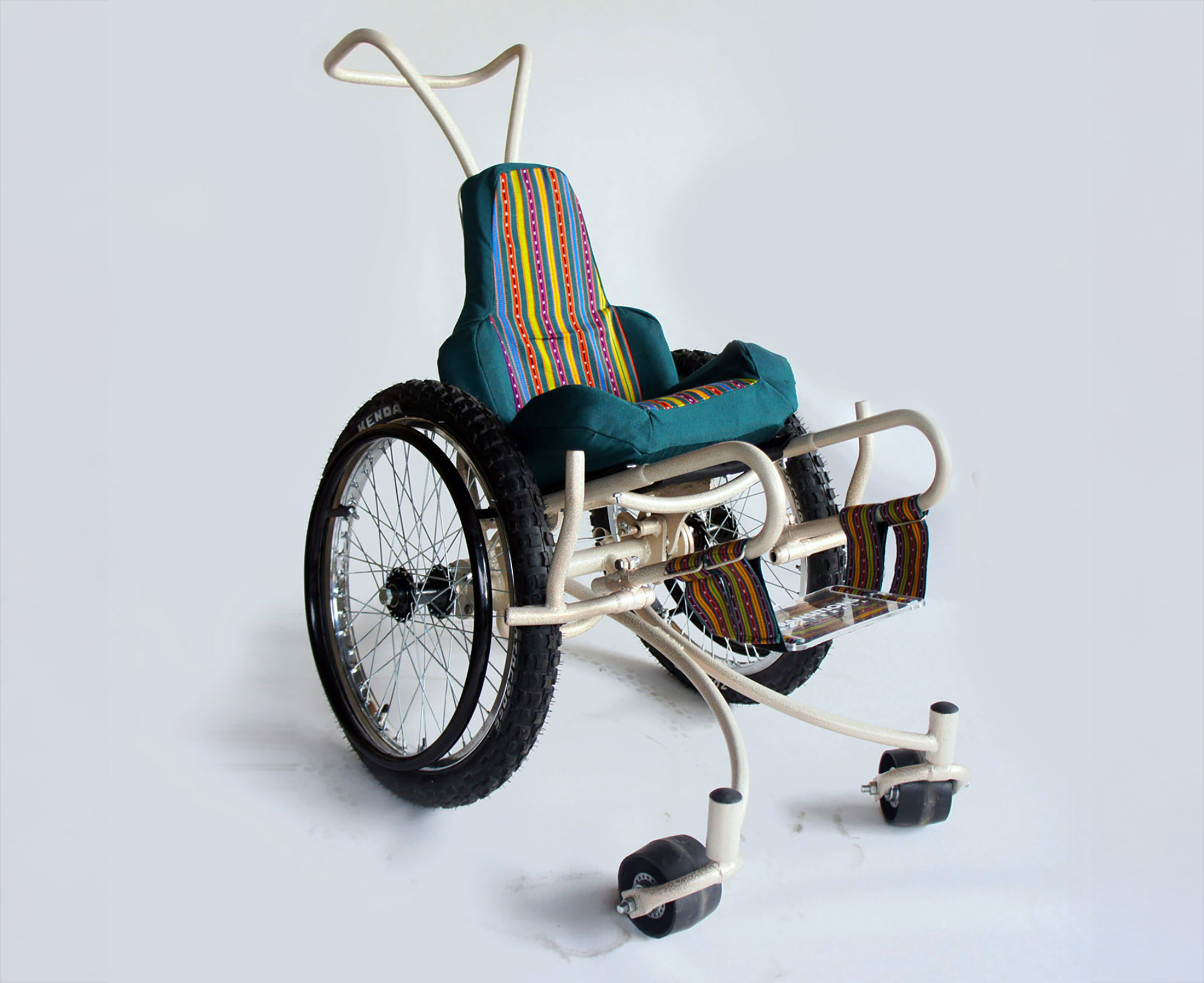
I found the foundation through a former teacher of mine in Guatemala, visited the place, and thought it was magical. They have a prosthetics clinic, a vocational training program, and a wheelchair repair and fabrication workshop, which I visited with their executive director, Alex Gálvez. I pivoted my thesis toward designing an accessible wheelchair and got a fellowship from Design without Borders—an organization out of Norway—that sponsored me for about two and a half years in my work with the foundation. I helped design an adult wheelchair, a pediatric wheelchair, and a number of sports-centric wheelchairs and other mobility aids.
Is there one thing you’ve made that you feel is most representative of your work?
I think the answer is no. I’ve had a chance to zigzag through a number of different industries, and they have all taught me different things. Teaching encompasses all the things I love. It’s a lifelong project that ties everything together and keeps my brain fresh. I love working with students and hearing their crazy ideas. I never know what kind of conversation I’m going to have when I step into the building in the morning.
Life After RISD is an ongoing series featuring alumni making outsized impact in culture and industry. Stay tuned for more from our graduates on how RISD has helped to shape their practices and the way they engage with the world.
interview by Simone Solondz
December 1, 2025
The unconventional designer creates unexpected, humorous objects with stories to tell about consumer culture.

The Brown | RISD Dual Degree Program grad discusses his worldly, discipline-melding approach to sculpture and installation.

President Crystal Williams sits down with the award-winning filmmaker and RISD alum to hear how he defines creative freedom and how commercial success is impacting his work.