
The painter and entrepreneur, who co-founded Calico Wallpaper with her husband in 2013, discusses the joy of doing what she loves for a living and finding her place in the world as an artist.

Ever since he attended NASA’s Space Camp as a kid, RISD alum Skye Ray 16 ID has been determined to design and build things that travel to outer space. When he learned about the space design courses faculty member Michael Lye 96 ID teaches in RISD’s Industrial Design department, he was hooked. Since graduating, he has worked for numerous aerospace design firms and recently launched his own: Homeworld Systems. Here Ray reminisces about how life in “the RISD bubble” taught him how to make the most out of available opportunities and reflects on the lessons learned in college that still resonate.
Tell us what you have been doing professionally since graduating from RISD in 2016.
I worked as a UX designer in tech for a couple of years before I went into designing for space. Then I started working with [fellow RISD alum] Molly Harwood [16 ID] in the Soft Goods Lab at NASA as a subcontractor. It’s an on-site R&D lab and production facility that has been around since the ’60s. We worked with teams across NASA to solve problems and make things that went to space.
What kinds of things did you make?
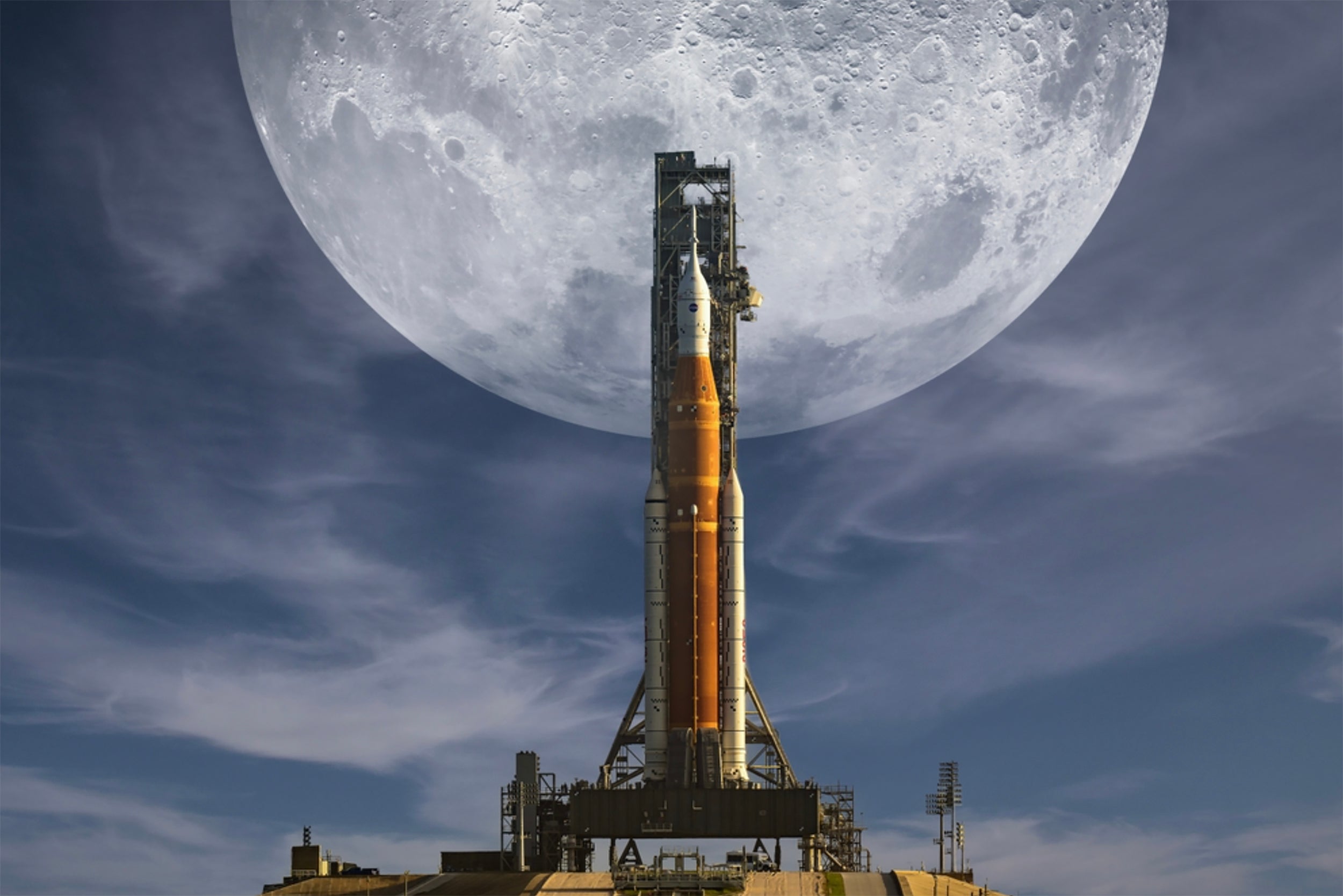
Almost everything astronauts touch is covered in soft goods—to protect the hardware. We worked on a crew survival kit for the Orion capsule and on the toilet, which was generating a lot of noise. There was an urgent push to make acoustic blankets that would fit into the existing hygiene bay. It’s about the size of a really small airplane bathroom. The process was a hybrid of digital and physical prototyping. Another project was a dust-proof thermal cover for the Hand-held Universal Lunar Camera (HULC) the astronauts use on the moon. The dust on the moon is very abrasive and can jam up metal components really easily.

Have you always wanted to design for space travel?
I’ve always been super-interested in NASA and went to Space Camp as a kid. In high school, I learned about industrial design and read Laws and Simplicity by [former RISD President] John Maeda. That’s how I found out about RISD. Then I found out about the NASA classes Michael Lye teaches in the ID department, and RISD became my top pick.
So, majoring in Industrial Design was a no-brainer for you?
I was very certain that this was what I wanted to do. Going back and forth between an idea and a prototype is really satisfying. It just fits with my brain.
Is the process you use to design for aerospace the same as the one you developed at RISD?
The whole idea of iterating is central to how we worked in the Soft Goods Lab. We were usually solving an urgent problem and had to fill in the gaps ourselves through research and/or iteration. It’s similar to the design prompts at RISD, where you don’t get all the information handed to you up front and have to just figure it out.
What other lessons did you learn at RISD that you still carry with you today?
When you’re making something that’s never been made before, you always hit this wall, usually in the beginning. You start to think the whole project was a bad idea. RISD puts you in that situation a lot. The only thing you can do is push through. You come out the other side with real-world data about your idea that makes it better. You adjust it and make it again. Maybe it still doesn’t work, but it’s better than the first iteration. You continue that process until you get to the solution.


Where do you find inspiration?
I love creating 3D forms by folding paper, kind of like origami, and make a lot of paper prototypes. I go to REI and look at how designers in the outdoor industry pattern things: what materials they use, where the seams are placed, etc. You never know how you’ll be able to use the ideas you pick up.
Any advice for current RISD students?
People talk about RISD being a bubble in a negative way. But there’s a really special thing happening inside of that bubble. You need to say yes to as many things as possible and talk to as many people as possible. Branch out of your major and learn more skill sets. All of the best things that came out of RISD for me involved getting out of my comfort zone and getting involved in projects and initiatives.
The ongoing Life After RISD series features alumni making outsized impact in culture and industry. Stay tuned for more from our graduates on how RISD has helped to shape their practices and the way they engage with the world.
interview by Simone Solondz
September 3, 2026
The painter and entrepreneur, who co-founded Calico Wallpaper with her husband in 2013, discusses the joy of doing what she loves for a living and finding her place in the world as an artist.

The award-winning Bahamian artist and educator discusses the creative breakthroughs that drove her to pursue her calling as a professional artist.

The Brown | RISD Dual Degree Program grad discusses his worldly, discipline-melding approach to sculpture and installation.