
The multilingual type and graphic designer probes existential and personal questions about what it means to be an immigrant designer in New York City.

New York City event designer and producer David Stark 91 PT leads a team dedicated to creating one-of-a-kind experiences that meet the specific needs of each client. Working with individuals as well as corporate and not-for-profit organizations, his firm uses a wide range of unexpected materials and whimsical approaches to create memorable affairs he likens to immersive, three-dimensional paintings. Here he discusses the evolution of his practice and how it relates to the creative problem-solving skills he learned at RISD.
Tell us a little bit about your professional practice.
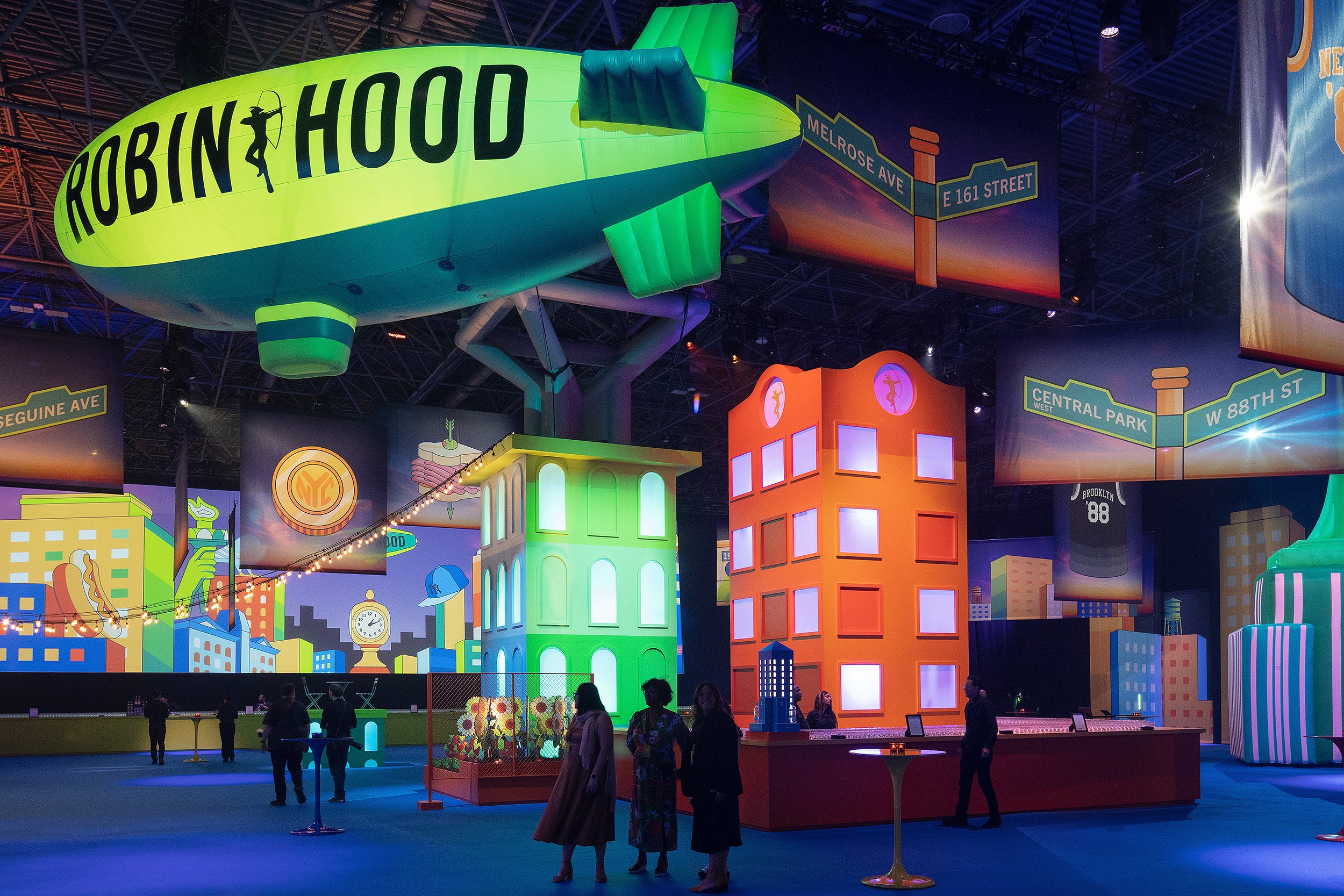
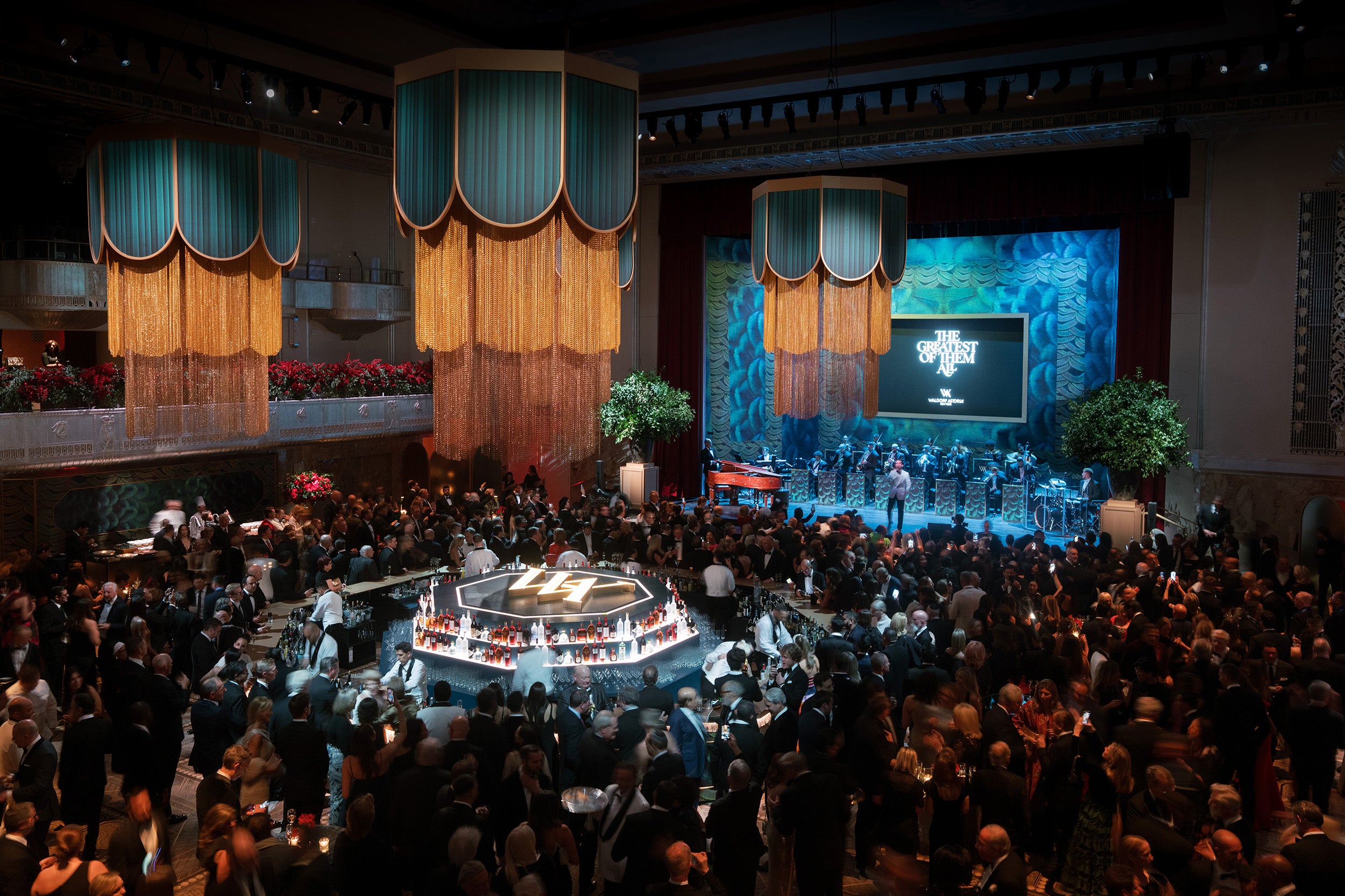
At David Stark Design and Production, we produce events all over the world—corporate marketing events, not-for-profit fundraisers, and weddings and other social events. We work with a lot of cultural institutions, including the Whitney Museum, Carnegie Hall, and the Metropolitan Opera, and also with people like the Robin Hood Foundation, a New York-based poverty-fighting organization. The work is an amalgam of theatrical design, storytelling, set design, architecture, and industrial design. We’re 50 people full-time and about 100 part-time, and as the chief creative officer, I oversee the creative team.
How does it relate (if at all) to your background in fine arts and your Painting BFA?
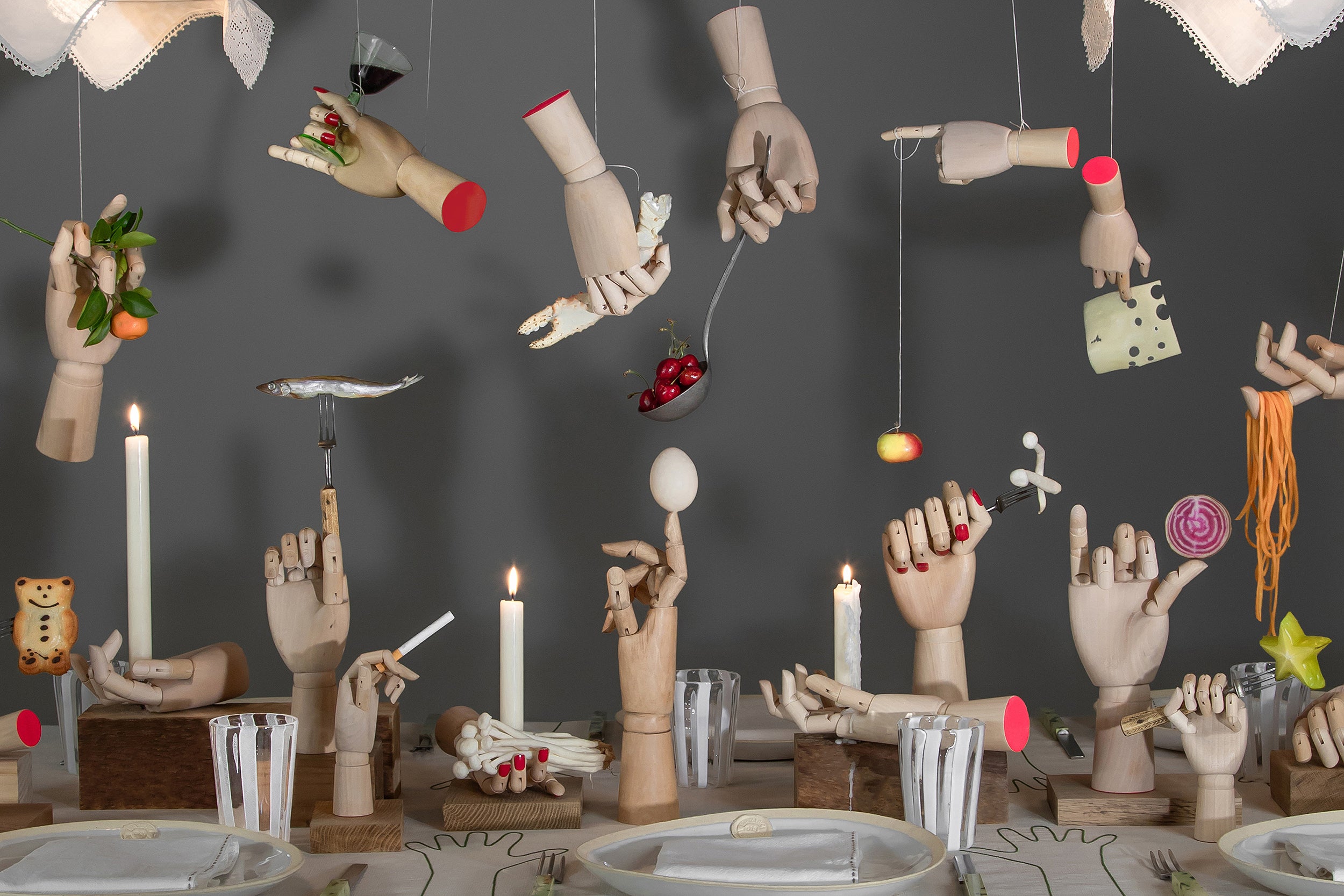
It’s sort of like making a three-dimensional painting that people inhabit. We work with all kinds of materials, some recycled, some salvaged, some things we construct in our fabrication studio. Instead of making art to hang on a gallery wall, we’re making immersive art. What I learned at RISD was to be a creative problem solver. You can apply that skill to whatever you do in life.
How do you make each event unique to the client?
Interior designers and architects have their signature style or approach. My job is more like being a set designer. If I were designing scenography for Broadway shows and had multiple shows going on at the same time, they would all be very different from each other—not because I can’t make up my mind as a designer, but because the plays are very different. It’s not about making something based on my personal taste; it’s about finding the right answer for each client.
Is there one event you’ve produced that best represents your work?
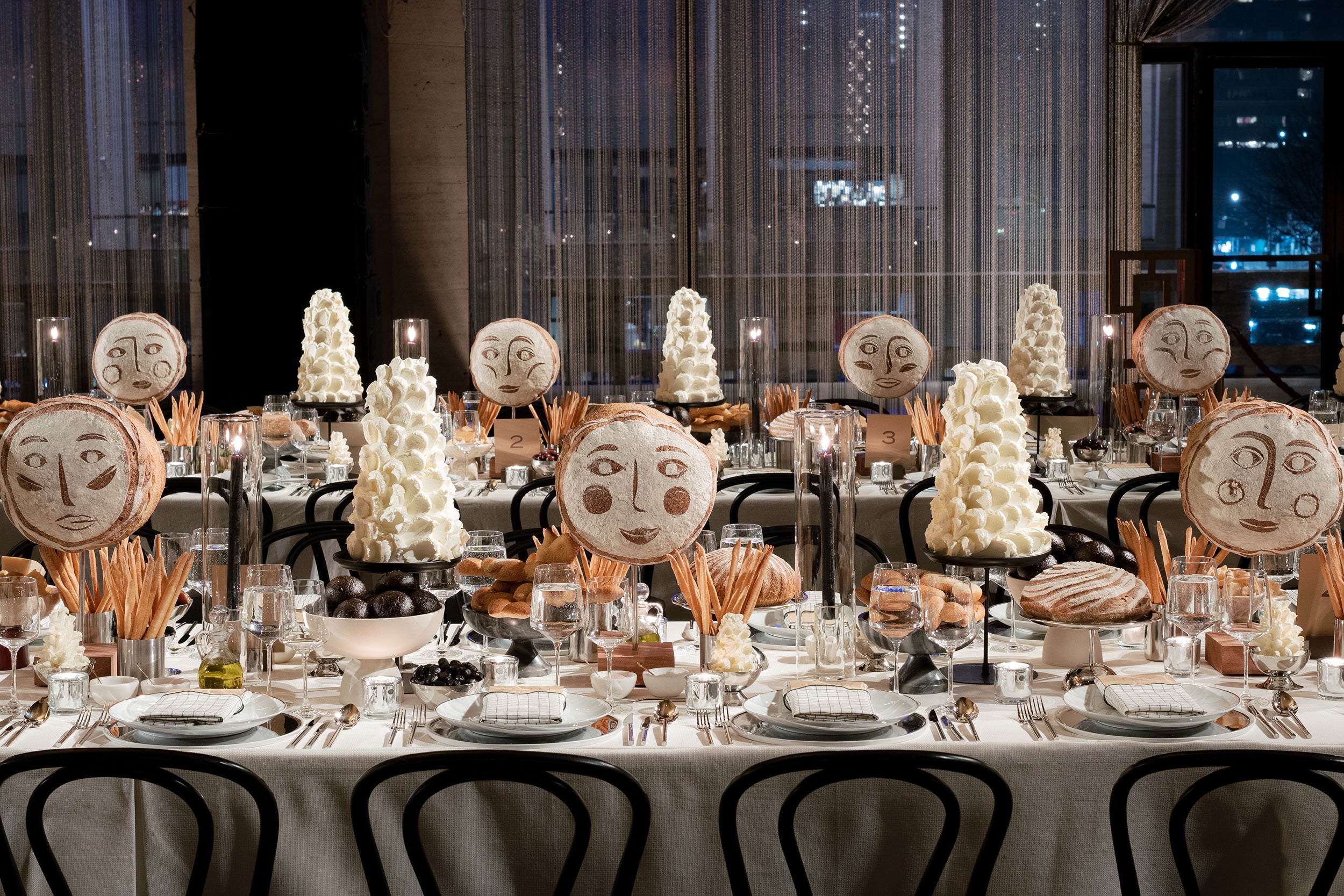
We did a wedding in January I’m very proud of for two people who work in the restaurant industry. They said, of course flowers are beautiful, but we’re all about food. We want centerpieces that are entirely edible. So, we commissioned a baker to make a series of sourdough breads that had faces on them and created an edible still-life running down the tables. People come to us for radical, poetic solutions.
What made you want to become an artist in the first place?
I grew up surrounded by art. My mother was an art teacher and a painter. My grandfather was an artist. My aunt was an artist and went to RISD. It wasn’t about becoming an artist; I always knew I was one.
What was it like when you first arrived at RISD?
It was mind-blowing. I was the art star in my high school and then all of a sudden, I was part of a community of art stars. It was like being a kid in a candy store. Everyone asked tons of questions and had a different way of expressing themself, and that inspired me. My professors were important to the experience, but even more so was the student body.
Is there a particular assignment or studio experience that still stands out to this day?
There’s one assignment I think about a lot because it’s very much part of what I do today. [Late RISD Professor] Al De Credico was one of my Foundation year [Experimental and Foundation Studies] teachers. He took us to the First Baptist Church, gave us a piece of rope, and said we had three hours to use the rope to change the context of the space. We spent the time butting heads and didn’t come up with anything. He came back, put a coil of rope on the altar, and said that just doing that changed the context of the room. But the exercise was really about teamwork. My daily practice is about changing the context of spaces and collaborating effectively with people.
What advice would you give yourself if you could speak to a young David Stark?
I was in a big rush to achieve all kinds of things I wanted to achieve. If I was going to give advice to my younger self, I would tell me to have patience. Keep pushing, but have faith that you’re going to get there when you’re ready.
The ongoing Life After RISD series features alumni making outsized impact in culture and industry. Stay tuned for more from our graduates on how RISD has helped to shape their practices and the way they engage with the world.
interview by Simone Solondz
July 27, 2026
The multilingual type and graphic designer probes existential and personal questions about what it means to be an immigrant designer in New York City.

The Brown | RISD Dual Degree Program grad discusses his worldly, discipline-melding approach to sculpture and installation.

The unconventional designer creates unexpected, humorous objects with stories to tell about consumer culture.