
The unconventional designer creates unexpected, humorous objects with stories to tell about consumer culture.

Wael Morcos MFA 13 GD is a graphic designer and type designer who heads up Brooklyn-based design studio Morcos Key along with his partner in business and life, fellow RISD alum Jon Key 13 GD. Morcos, who is originally from Lebanon, leads projects for multilingual art and cultural institutions operating in both the USA and the Middle East, translating their stories into impactful visual design systems. He was named a Young Gun by the Art Directors Club and an Ascender by the Type Directors Club and earned the 2024 Vilcek Prize for Creative Promise in Design. Here he shares his thoughts about life after grad school and lessons learned at RISD that continue to resonate.
Tell me a little bit about your professional practice and what you’re currently working on.
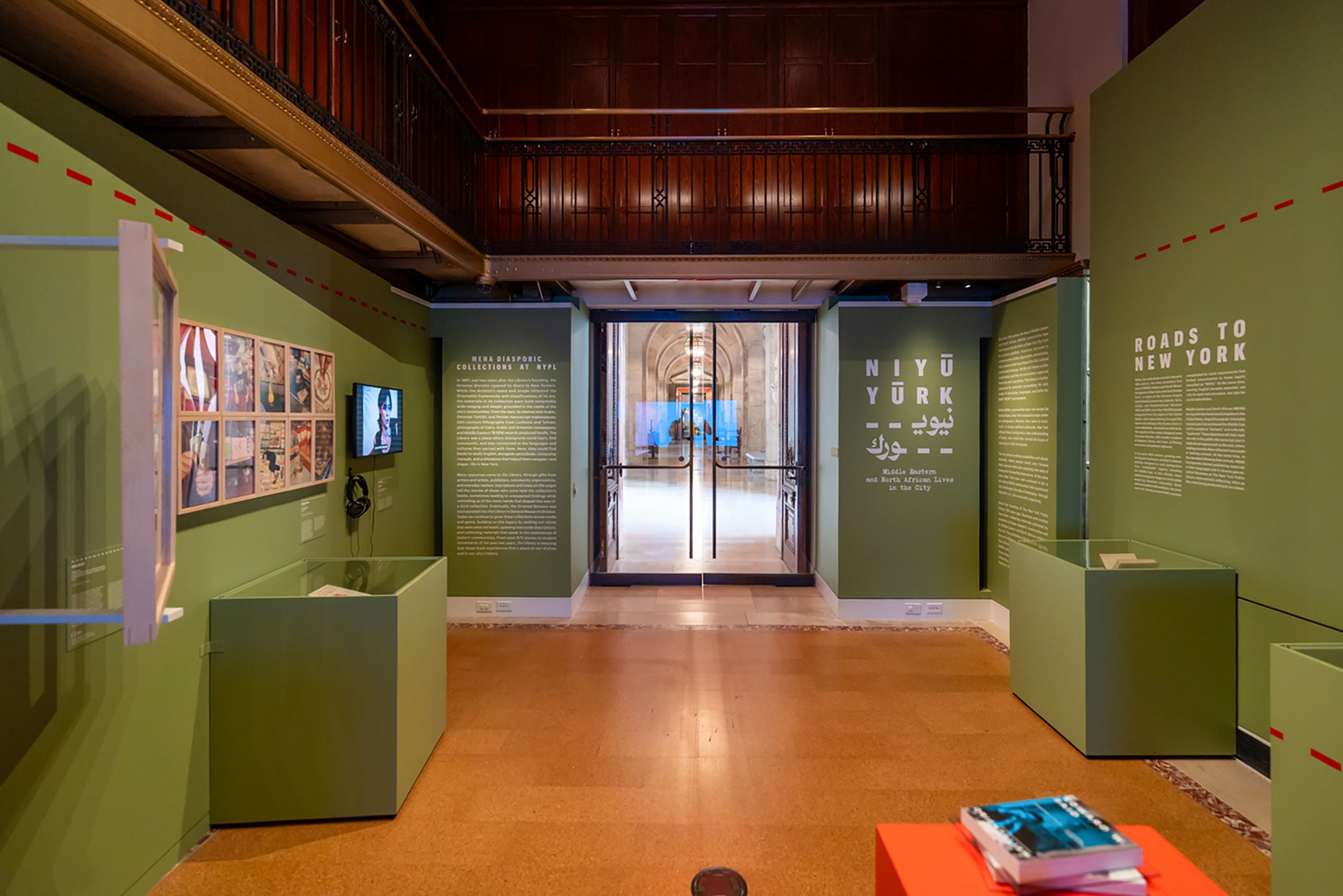
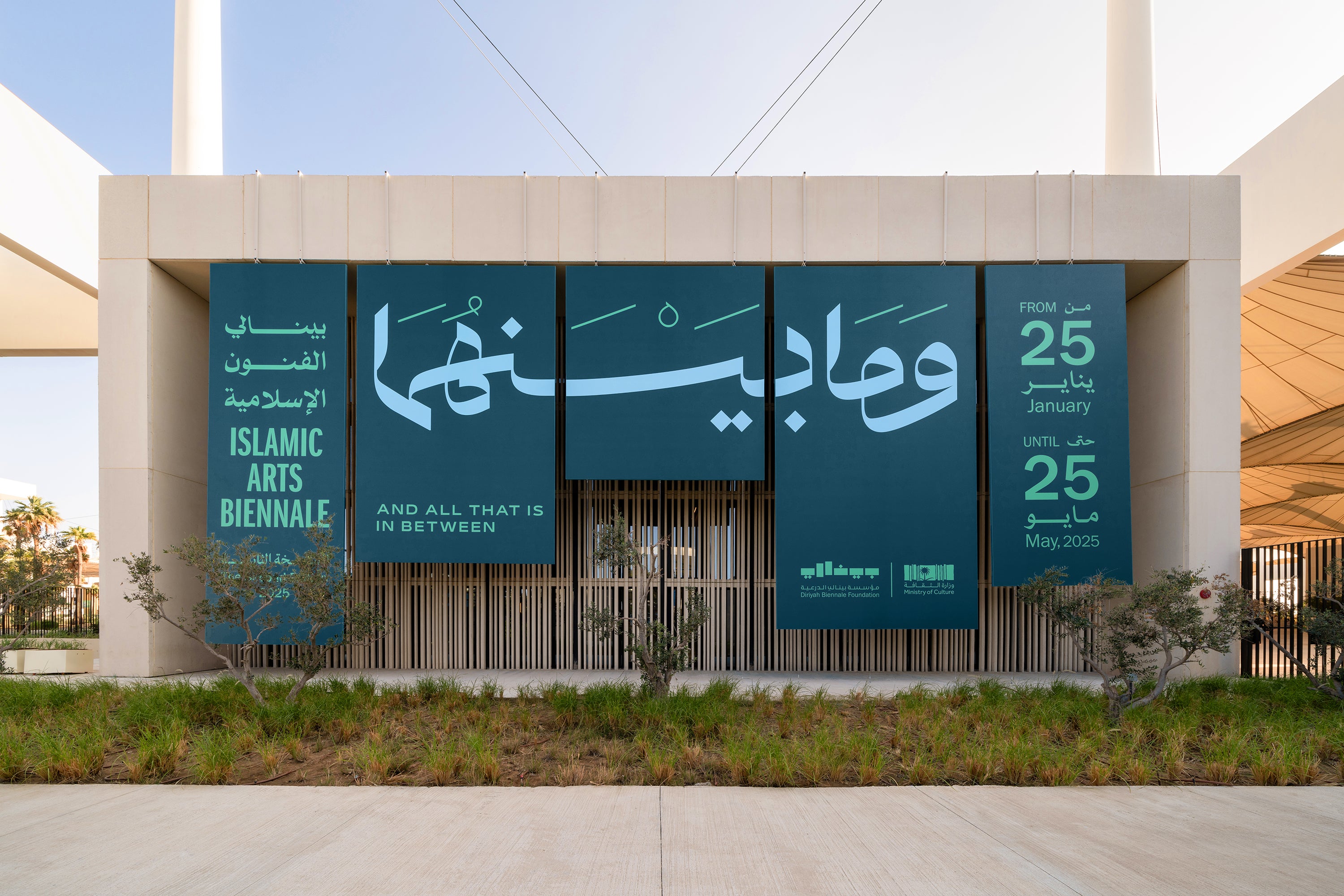
At Morcos Key, we develop strategies for brands and visual identities, including typography, and do editorial work for such institutions as MoMA, the Getty, and the Met. I design Arabic fonts and usually have three or four in development at any given moment. I was born and raised in Lebanon, so I speak Arabic, as well as French, Spanish, and English.
What is it like to work so closely with one’s spouse?
It’s very inspiring to have a partner you trust who can be a sounding board and push you further than you thought you could go. We run two separate teams within the company, but sometimes we collaborate.
What do you love about your discipline?
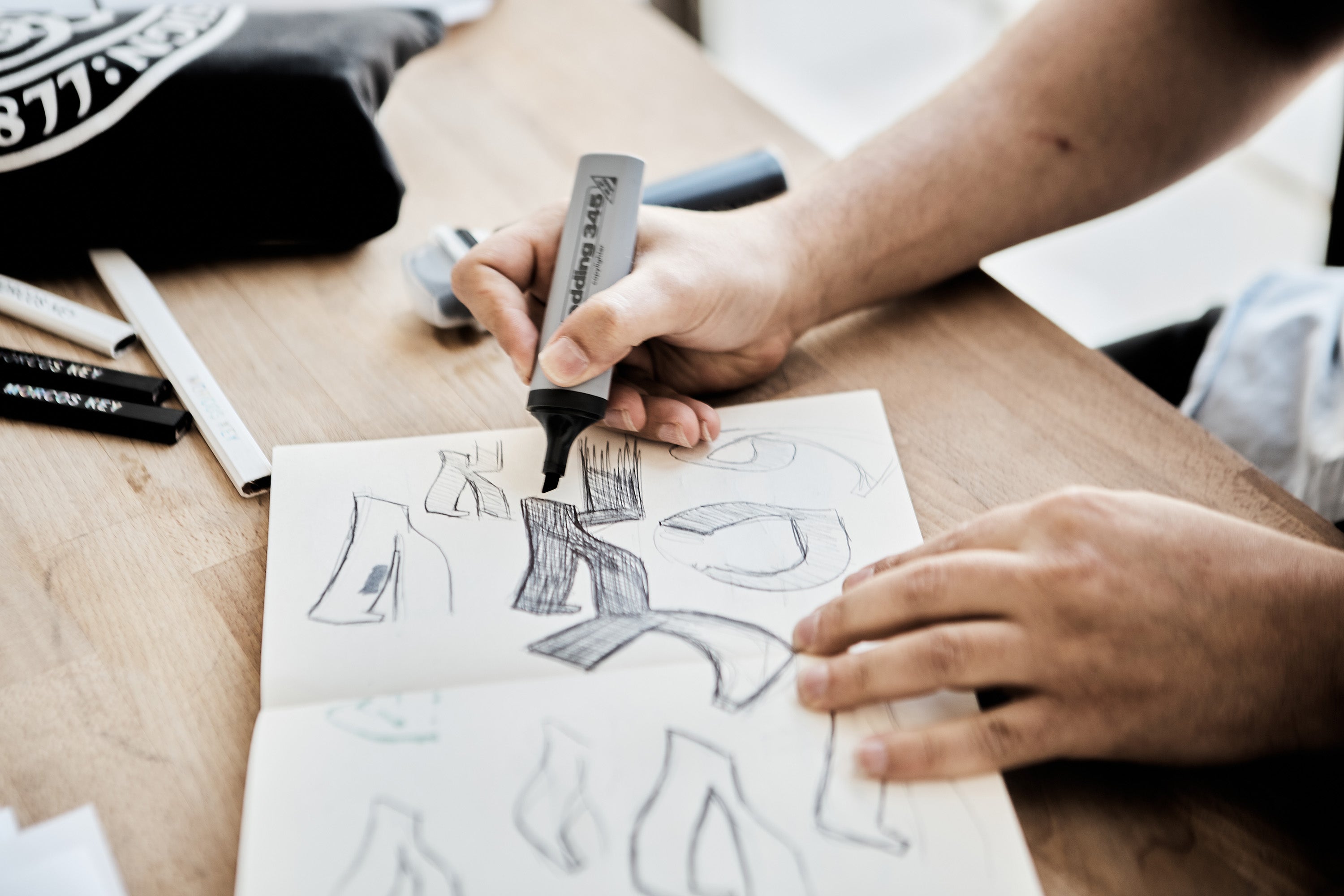
What I love (and sometimes hate) is how diverse and unexpected the workload is. I’m managing clients, scoping and leading projects, and building proposals. Sometimes I’m writing, sometimes I’m mentoring, sometimes I’m sketching by hand. It takes a lot of listening and learning in order to tell our clients’ stories. It keeps things exciting, but sometimes I miss my junior years when I had five days to sketch for one project and could Zen out.
Is there one thing you’ve made that you feel is most representative of your work?
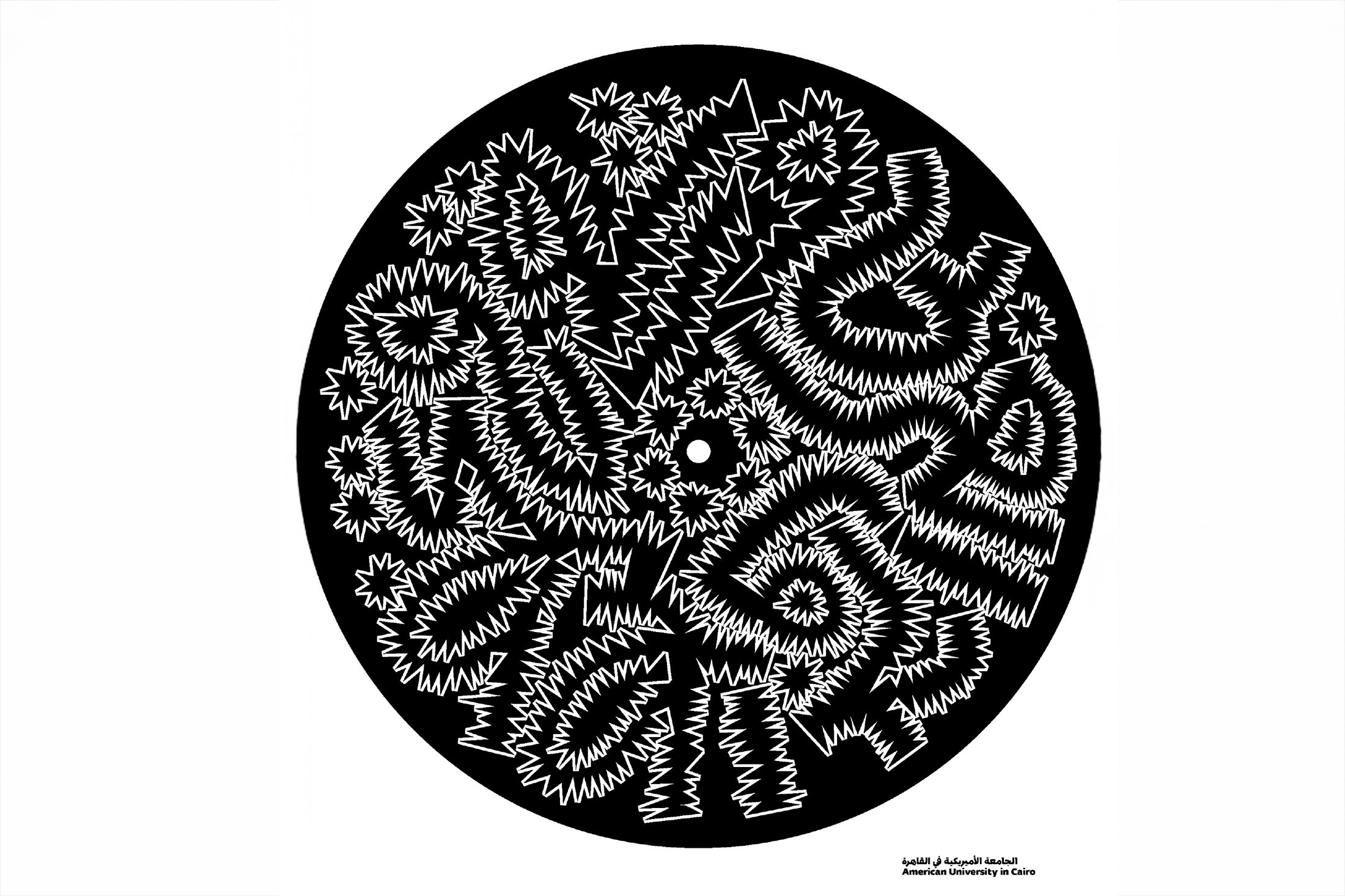
My contribution to Arabic typography is very important to me. The expressivity and artistry that comes from playing with the shape of Arabic letters is a core part of my practice, and I love teaching my methodology to other designers.
Why did you choose to pursue your MFA at RISD?
I earned my undergraduate degree from Notre Dame University-Louaize (NDU) near Beirut and worked for many years in Lebanon before applying to RISD. When I was interviewed over Skype, there were five Graphic Design professors in the room, and I could see all the materials I had sent them laid out on the table. They were asking me really good questions, and the level of rigor they applied to assessing my application surpassed those of the other schools I applied to. I was also drawn by RISD’s small classes, how dedicated the instructors are, and the fact that it’s not located in New York.
What lessons did you learn at RISD that you still carry with you today?
I think the self-motivation and self-drive is what I got the most of. My class was very international and diverse. Each one of my classmates was excellent at what they did in a whole different way. That really opened up my mind and inspired me to do my own thing.
Is there a particular assignment, faculty member, or studio experience that still stands out to this day?
There was a course called The Visiting Designers: three visiting professors from anywhere in the world. They came on a Thursday, gave a lecture, and then the participants got briefed on a project, worked all through Thursday, Friday, and Saturday nonstop and then presented on Sunday. Then there was a class critique before they left. The exposure to that wide variety of designers in a really condensed framework was a breath of fresh air!
What role do artists and designers play in making a better future?
I use design to probe existential and personal questions about what it means to be an immigrant designer from Lebanon operating in New York. My practice allows me to take space within these conversations and to support social causes I care about. Design is a powerful tool of inquiry and it’s a pacifist tool, which is the best kind.
Do you teach at RISD or elsewhere?
I have been coming back to RISD for the past three years as an external thesis advisor for the MFA class. I also teach a class at Columbia University. I like to keep a foot in academia, and it’s always nice to revisit the core basics. It’s so rewarding to be able to help current students who might be struggling and to light something up in their brains.
Life After RISD is an ongoing series featuring alumni making outsized impact in culture and industry. Stay tuned for more from our graduates on how RISD has helped to shape their practices and the way they engage with the world.
interview by Simone Solondz
April 13, 2026
The unconventional designer creates unexpected, humorous objects with stories to tell about consumer culture.

The painter and entrepreneur, who co-founded Calico Wallpaper with her husband in 2013, discusses the joy of doing what she loves for a living and finding her place in the world as an artist.

The Brown | RISD Dual Degree Program grad discusses his worldly, discipline-melding approach to sculpture and installation.