
The Levantine interior designer discusses her love of craft and collaboration and how her style combines Asian and Middle Eastern influences to reflect a modern Arab identity.

Designer Georgie Stout 89 GD, co-founder of studio 2x4 in New York City, transferred to RISD as a sophomore and built lifelong relationships with her classmates. At 2x4, she leads projects across the cultural and commercial sectors, from large-scale brand identity and packaging programs to retail and corporate environments. Here she shares her thoughts about life after college and lessons learned at RISD that continue to resonate.
Tell us a little bit about your professional practice and what you’re currently working on.
After RISD, I started a practice—2x4—with two of my friends: Michael Rock [MFA 84 GD] and Susan Sellers [89 GD]. It started really small, and now we employ over 50 people. We do everything from brand strategy to exhibitions, collateral, environments, signage and wayfinding, experiential designs . . .. It’s a very broad practice, and we never know what’s coming next.
You have said that the key to your success at 2x4 is your ability to build strong teams. Can you say more about that?
The world is changing all the time, so it’s important to keep bringing in new expertise and perspectives. We look for people who are really collaborative and really smart—people with unique points of view. Our clients are a big part of our projects, too. They know more about their brands than anyone else.
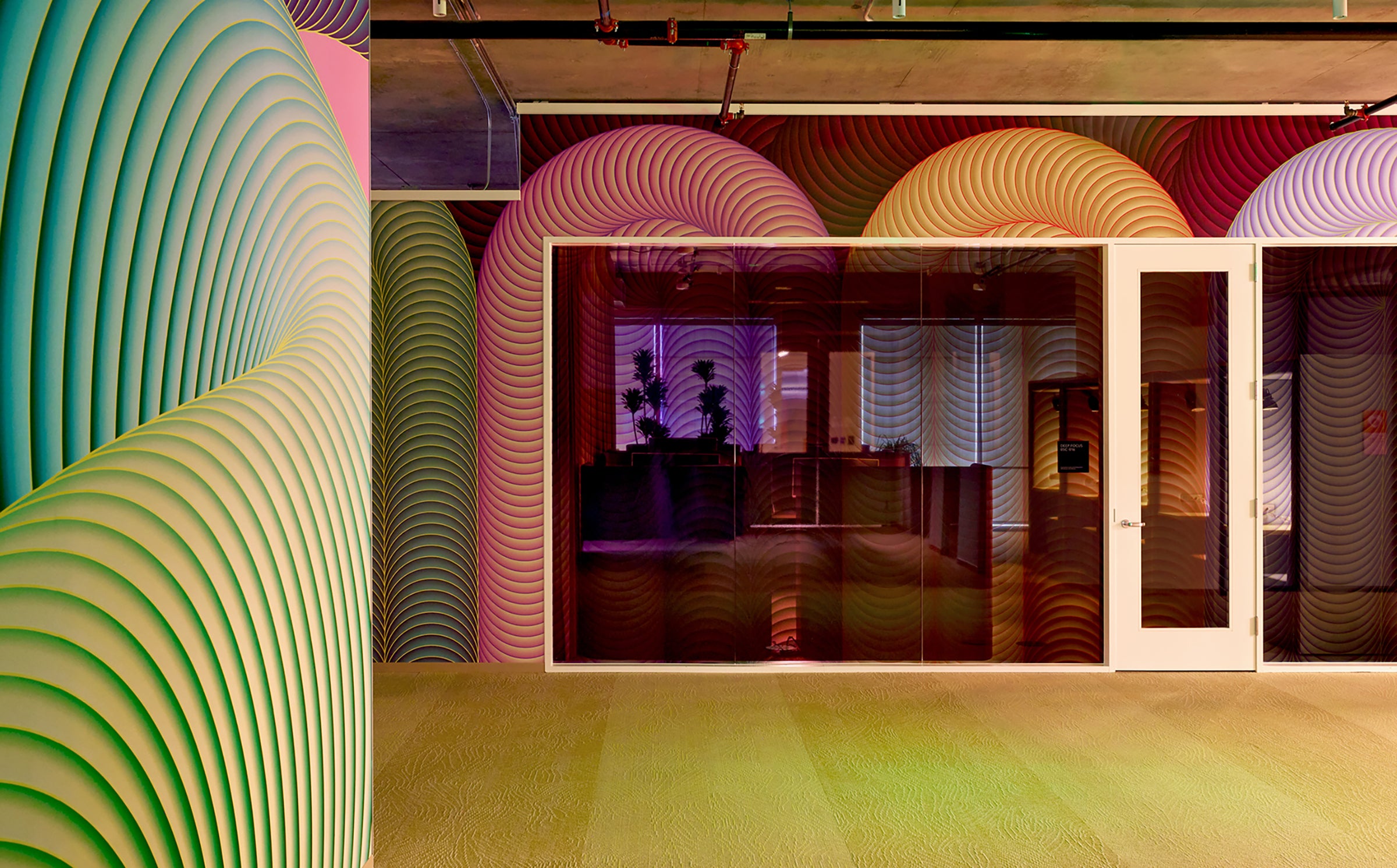
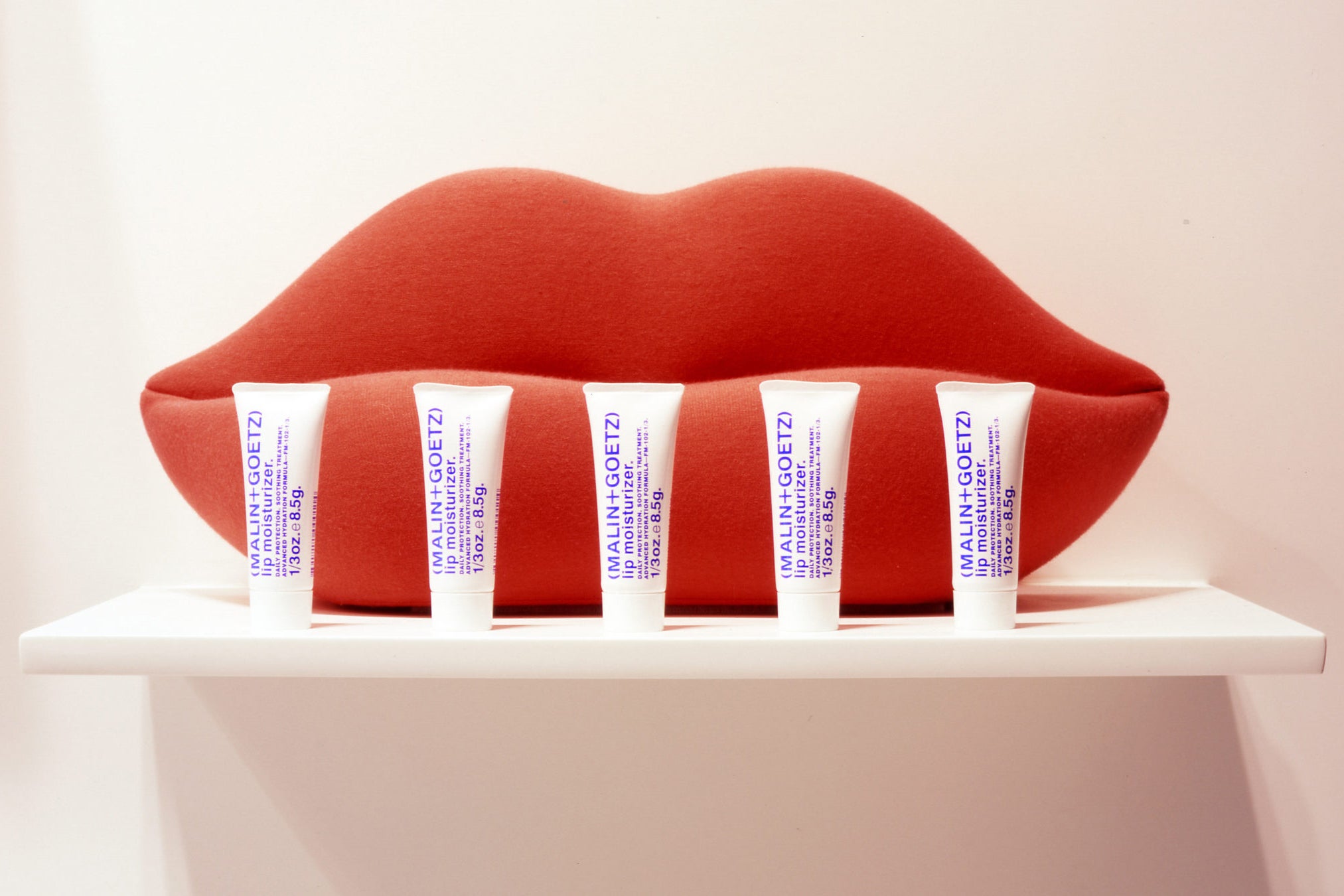
Is there one thing you’ve made that you feel is most representative of your studio’s work?
One example is creating a brand for the Illinois Institute of Technology student center designed by Rem Koolhaas. We created a generic icon representing a student and then made hundreds of versions: one running, another reading, another bowling, etc. It went from serious to absurd. Those icons became pixels we used throughout the space. So, there might be a serious-looking portrait of Mies Van der Rohe, but as you get closer you realize it’s all these little students. The work is about infusing content into spaces, creating experiences that feel connected to place.
I understand that you worked with longtime RISD faculty member Bethany Johns right after you graduated?
I graduated in 1989, before computers. I was interested in artists who used design in their work, like Barbara Kruger, Jenny Holzer [MFA 77 PT/HD 03], and Richard Prince. At the time, when you were looking for work, you just walked around with your giant portfolio and dropped it off at each place for a day. Maybe when you picked it up, there would be a note in it. I felt really discouraged by that process and went to Printed Matter, a bookstore in New York, and wrote down the names of the designers who made things I liked. Bethany was one of the people I found. When I went to see her, we really clicked, and I ended up working with her for five years. I learned so much from Bethany about typography and developing a grid, all the essential parts of designing a book.
Why did you initially choose to study at RISD?
I initially decided to go to Parsons, because I thought I wanted to go into fashion and thought that meant New York. When I got there, I realized it was a huge mistake. I had applied to RISD and got in on the waitlist, so I transferred. I had to do the summer session because I missed Foundation Year, and that was a really formative time for me, a breath of fresh air. I found my people. I loved the scale of the city of Providence and that strong sense of community. I’m still working with the friends I met at RISD and even married one of them [designer David Weeks 90 PT]!
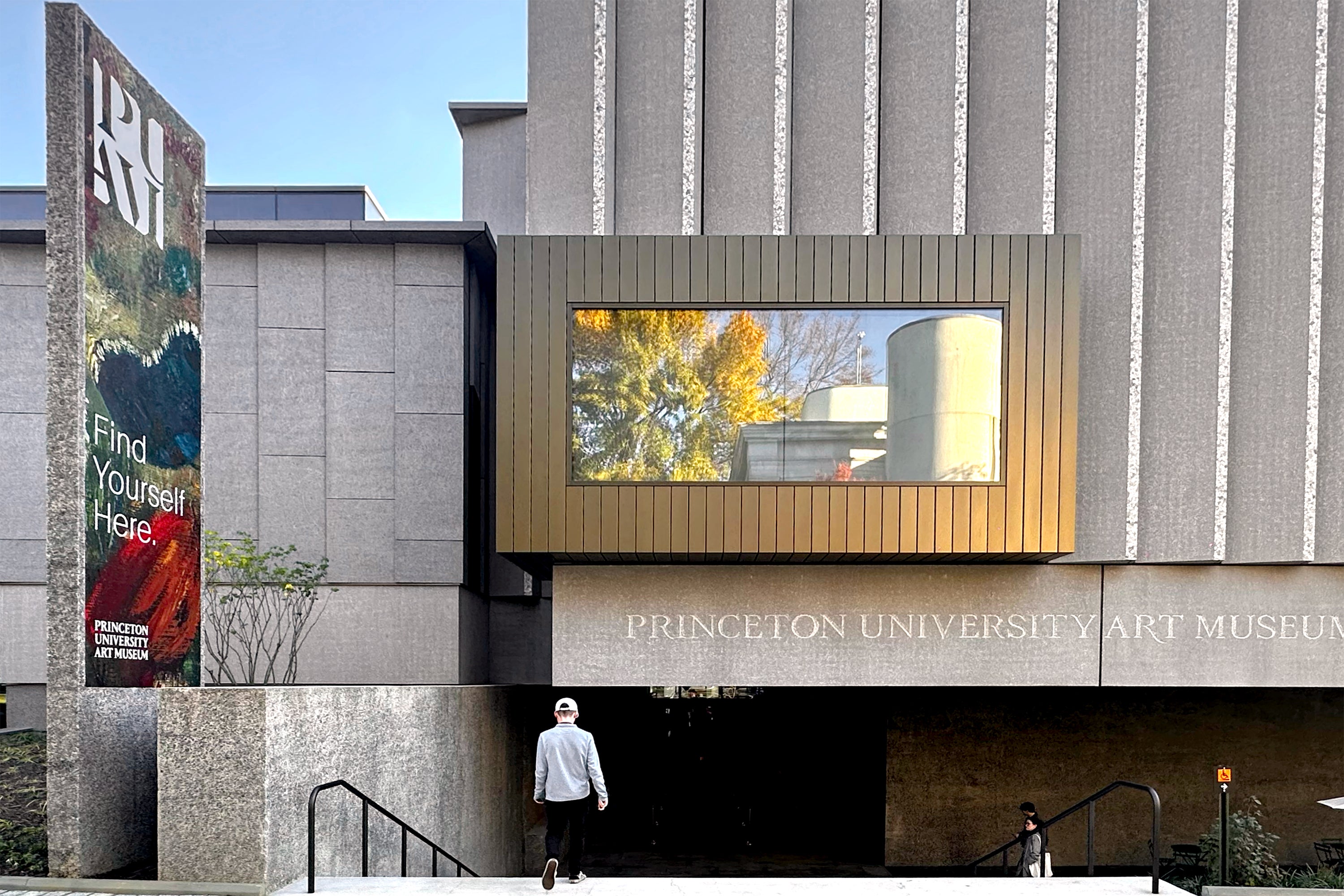
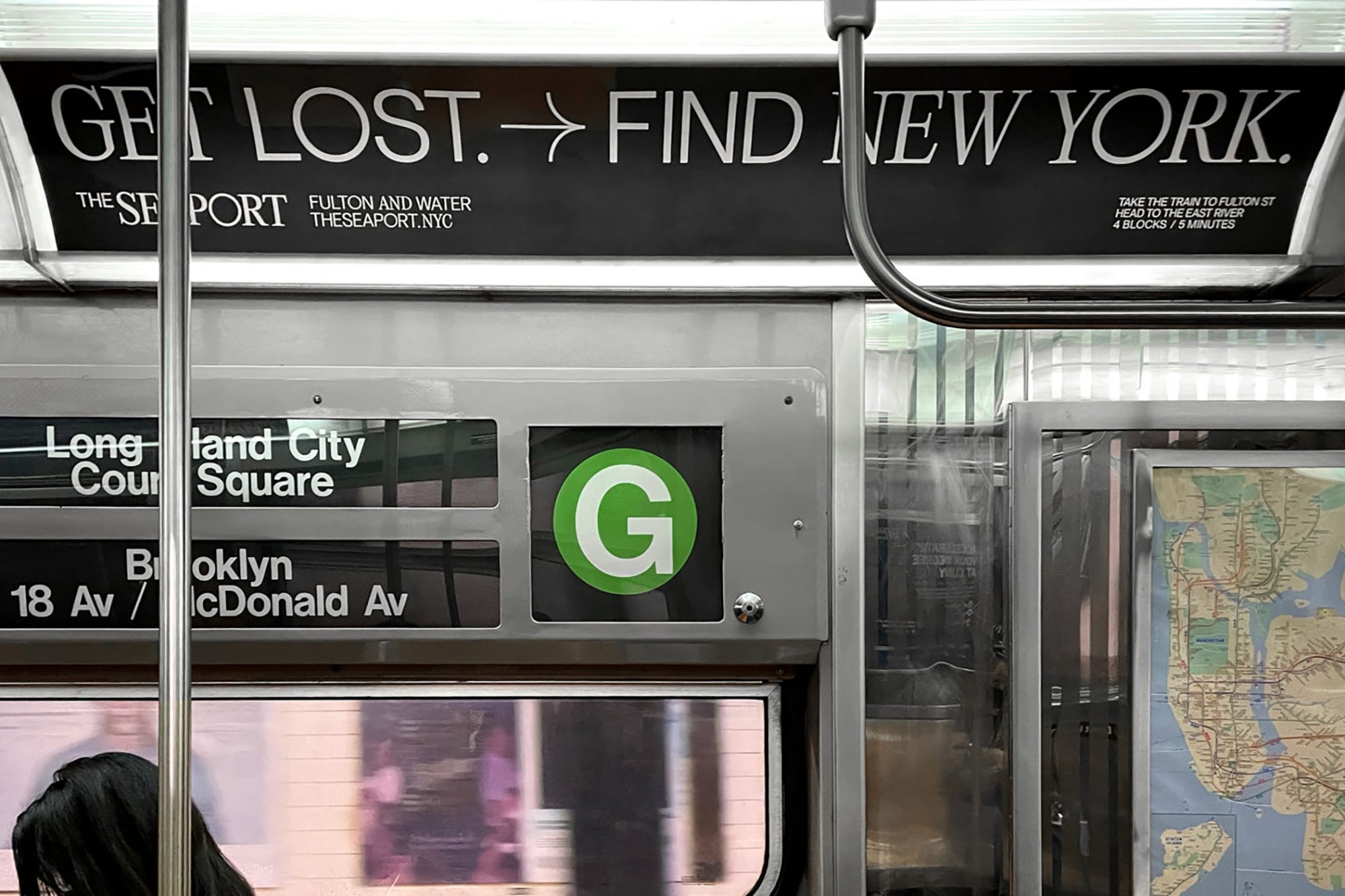
What lessons did you learn at RISD that you still carry with you today?
One thing is the idea of collaboration, working with other people on projects. Another is understanding typography in a structural way—how to put letterforms together. That’s embedded in me. The same with using color. Those are essential concepts for designers.
Any advice for young designers just starting out?
It’s a hard time for young people starting out. The world feels really negative and hard, and AI is like this shadow looming over everyone. I tell people to network, go to openings, introduce yourself, write to alums on LinkedIn and Instagram, even if you’re not applying for a specific job. And don’t be afraid to get a job at an art supply store or a thrift shop. Try a lot of different things.
Life After RISD is an ongoing series featuring alumni making outsized impact in culture and industry. Stay tuned for more from our graduates on how RISD has helped to shape their practices and the way they engage with the world.
interview by Simone Solondz
June 18, 2026
The Levantine interior designer discusses her love of craft and collaboration and how her style combines Asian and Middle Eastern influences to reflect a modern Arab identity.

The empathic industrial designer and educator discusses how his own identity enables him to find unique solutions and effect positive change.

The recent Film/Animation/Video alum and Student Academy Award-winning animator reflects on his passions for problem solving, the magic of filmmaking, and what RISD taught him about hard work.