
The unconventional designer creates unexpected, humorous objects with stories to tell about consumer culture.

Designer and RISD alum Nada Debs 88 IA combines influences from her childhood in Japan with her contemporary Middle Eastern style to produce handcrafted interiors that reflect a modern Arab identity. She creates everything from home furnishings and accessories to interior design concepts, installations, and jewelry. After graduating from RISD, she moved to Beirut, Lebanon and then—more recently—to Dubai, where she has found her place among a collaborative community of designers. Here she shares her thoughts about life after college and lessons learned at RISD that continue to resonate.
Tell us a little bit about your professional practice and what you’re currently working on.
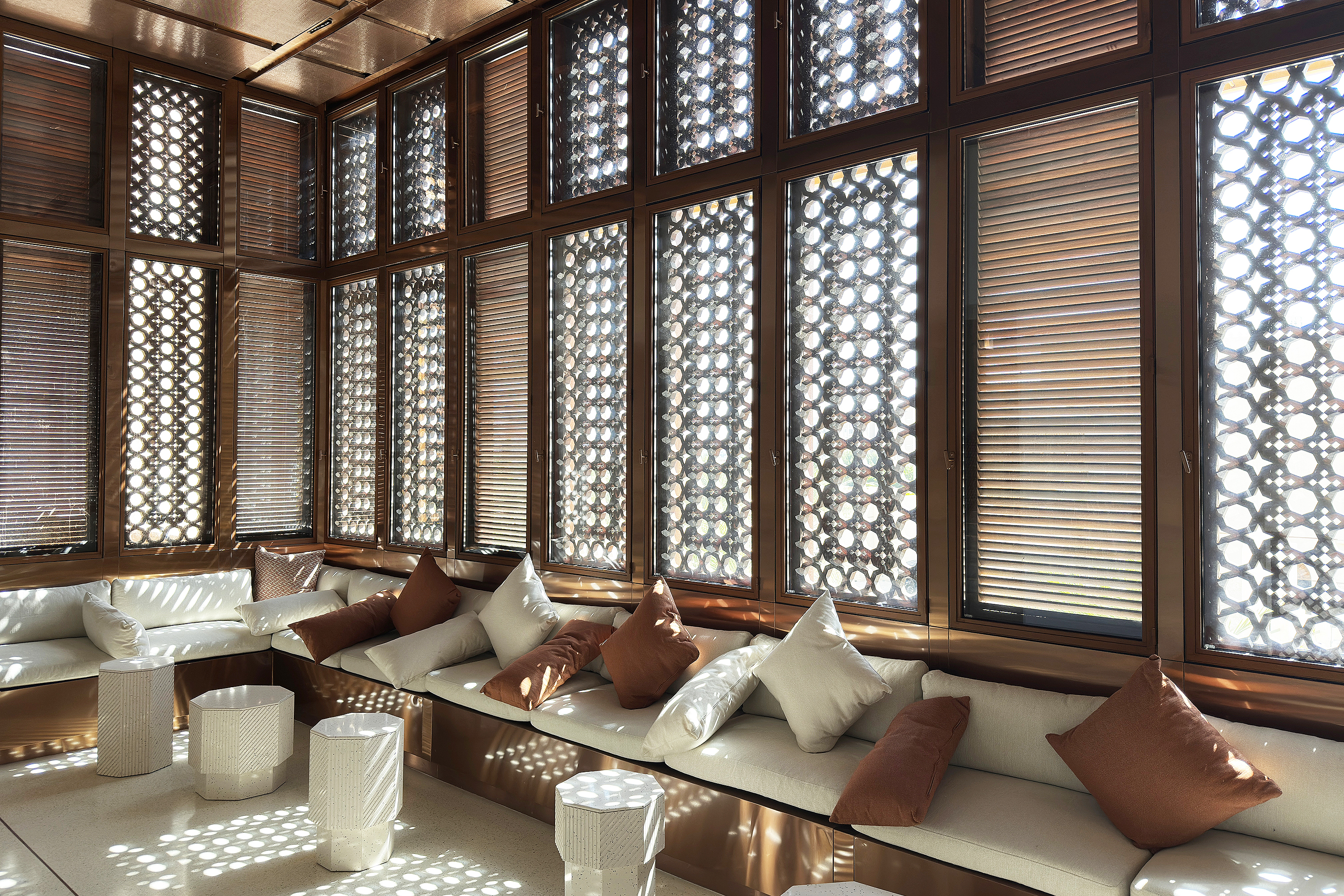
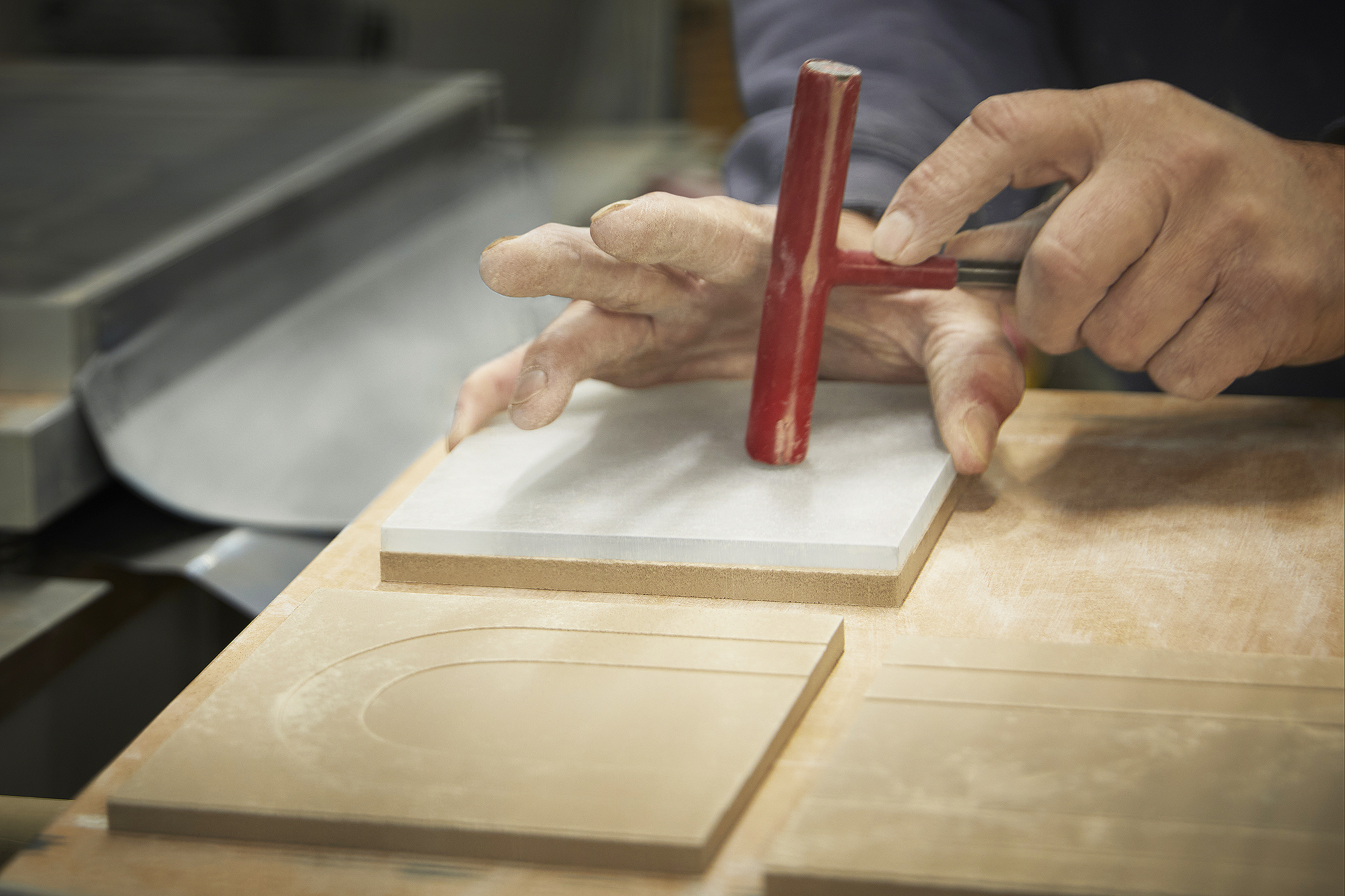
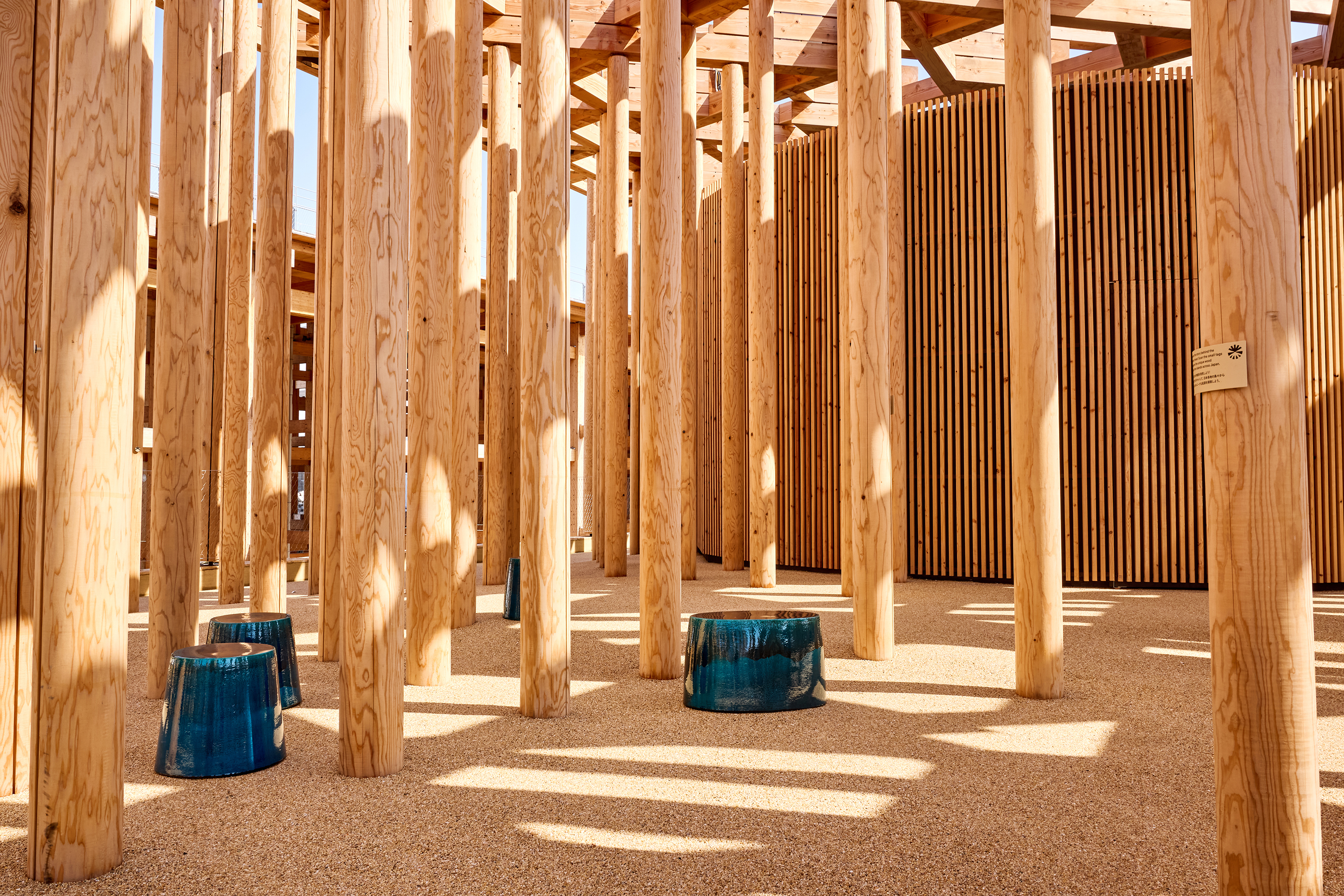
In my practice, I focus on furniture design, product design, and interior design. I collaborate with different brands, like Christian Dior and Louis Vuitton, and my projects highlight traditional craft applied in a relevant, contemporary way. It’s all about identity—challenging myself to create strong identity through craft.
What originally made you want to become a designer?
I’ve always liked drawing and used to make things like wooden birdhouses out of kits when I was young. I’m Lebanese, but I grew up in Japan, and my parents wanted me to continue the family business: exporting textiles from Japan to the rest of the world. But I had this calling. So, after I got my degree in business, I applied to RISD.
How would you describe your style?
My approach is minimalist; it’s about removing elements and getting down to the essence of the thing. When I first started, I didn’t know how my Japanese and Middle Eastern styles could fit together. But the pieces that I made showed me that they actually did. Basically, I’m bridging the Far East and the Middle East. It’s like a balance between the two. Eventually the business grew and I started getting government institutions—from Afghanistan, Pakistan, the UAE, Saudi Arabia—coming to me because my work represented a modern Arab identity.
You started at RISD in the one-year post-baccalaureate program but also earned a BFA in Interior Architecture, right?
Yes, after the first year, I reapplied and ended up doing another two years and earning a BFA and a BIA. It was very challenging, but I loved every second. The first year, I really didn’t do well. I knew I had something in me, but I could not get it out. The next year, something shifted in my brain and I finally began to understand conceptual thinking.
What lessons did you learn at RISD that you still carry with you today?
I learned to take care of all the details and have a strong concept. You have to have a valid reason why you make design decisions. I’m so thankful to Silvia Acosta, who was one of my professors. She was so hard on all of us, but she pushed our creativity.
Do you think you began to see the world differently after studying design at RISD?
For sure. I feel like it changed me. You have to question yourself when you’re designing. I feel fortunate to be in the world of art and design. I love the people. The sense of community we create and that collaboration gives me the most joy. When you’re a RISD graduate, it’s like this passport to the design world. When I tell people I’m a designer and say I studied at RISD, all of a sudden, they are like “oh!” It’s like saying you went to Harvard.
Is there one thing you’ve designed that you feel is most representative of your work?
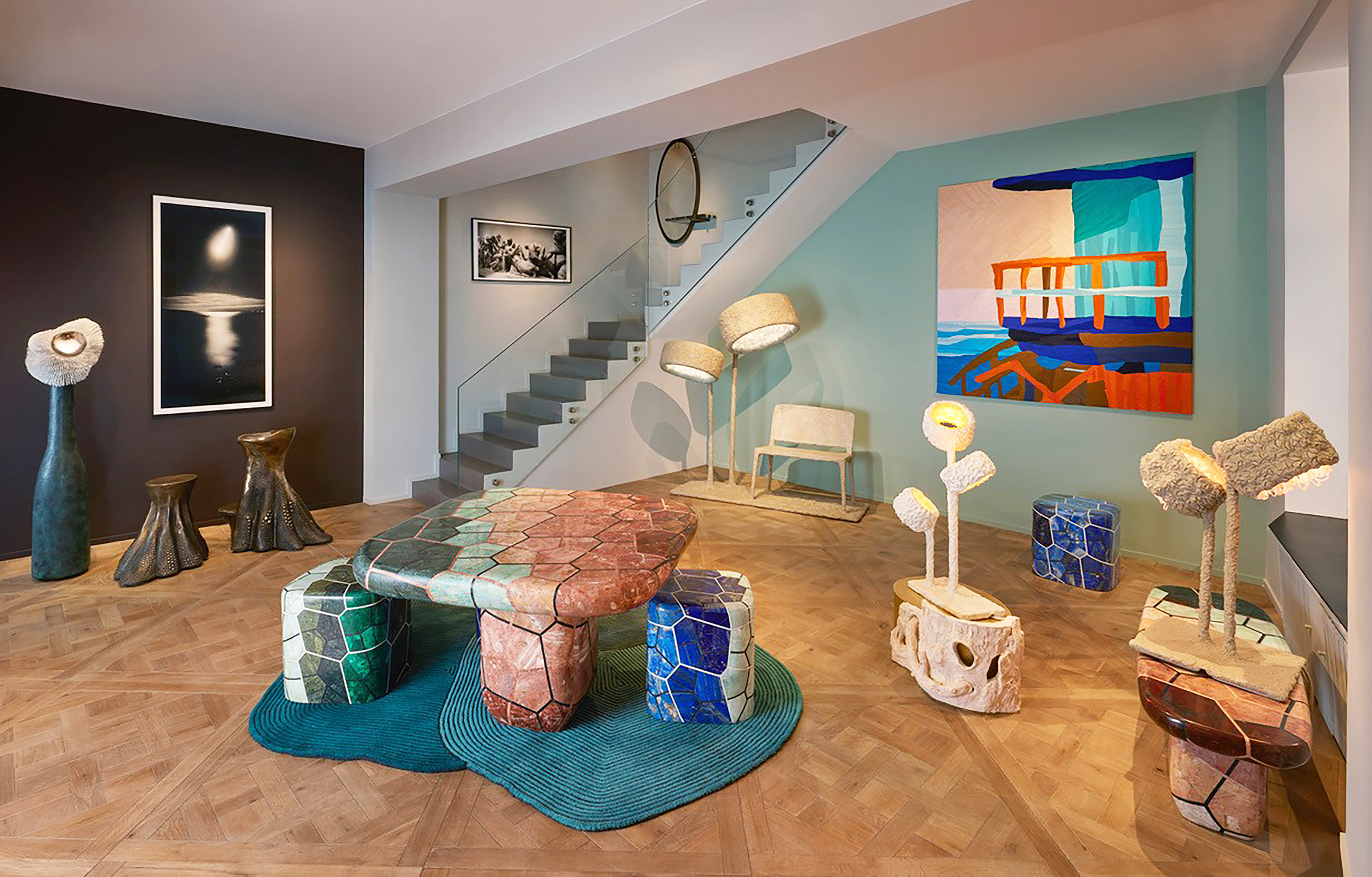
I would say the home I live in here in Dubai. I moved here after the big explosion in Beirut in 2020. I wanted to keep the craftsmen I collaborate with busy, so I needed to keep selling our products. So, I furnished my whole home as if it was a showroom. Dubai is a relatively new country, so my 1980s house is considered vintage. The contemporary furniture gave it a nice edge. It feels like you’re in Palm Springs and Santa Fe mixed together with a little touch of the Middle East.
Any advice for young designers just starting out?
Everyone has a unique approach to design. Look inside yourself. It’s good to get inspired by the outside world, but you have to find your own language and your own identity.
Life After RISD is an ongoing series featuring alumni making outsized impact in culture and industry. Stay tuned for more from our graduates on how RISD has helped to shape their practices and the way they engage with the world.
interview by Simone Solondz / top photo by Yasmina Hilal
January 6, 2026
The unconventional designer creates unexpected, humorous objects with stories to tell about consumer culture.

The Brown | RISD Dual Degree Program grad discusses his worldly, discipline-melding approach to sculpture and installation.

The empathic industrial designer and educator discusses how his own identity enables him to find unique solutions and effect positive change.