
Rhode Island Histories in Action offers a standards-aligned, historically grounded curriculum that promotes civic literacy, creativity, critical thinking, and interdisciplinary learning.

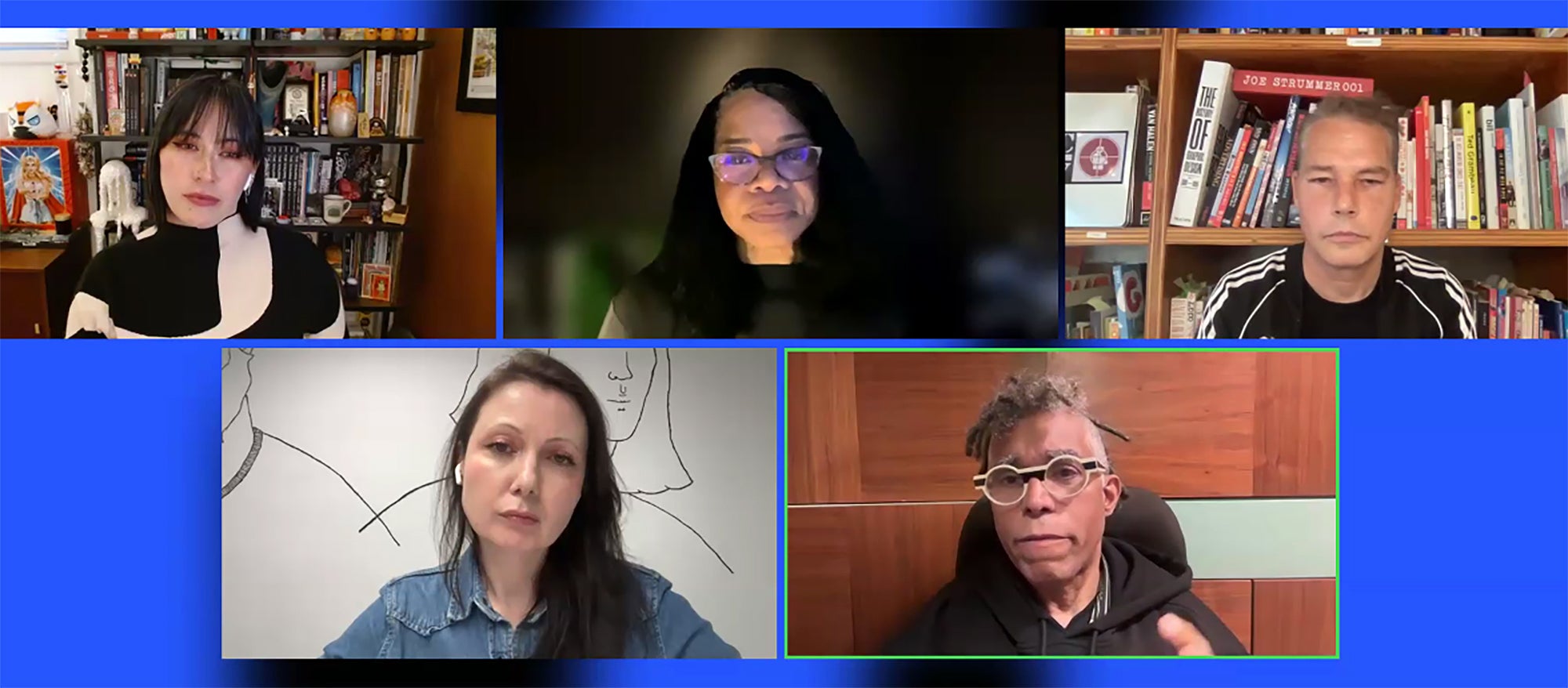
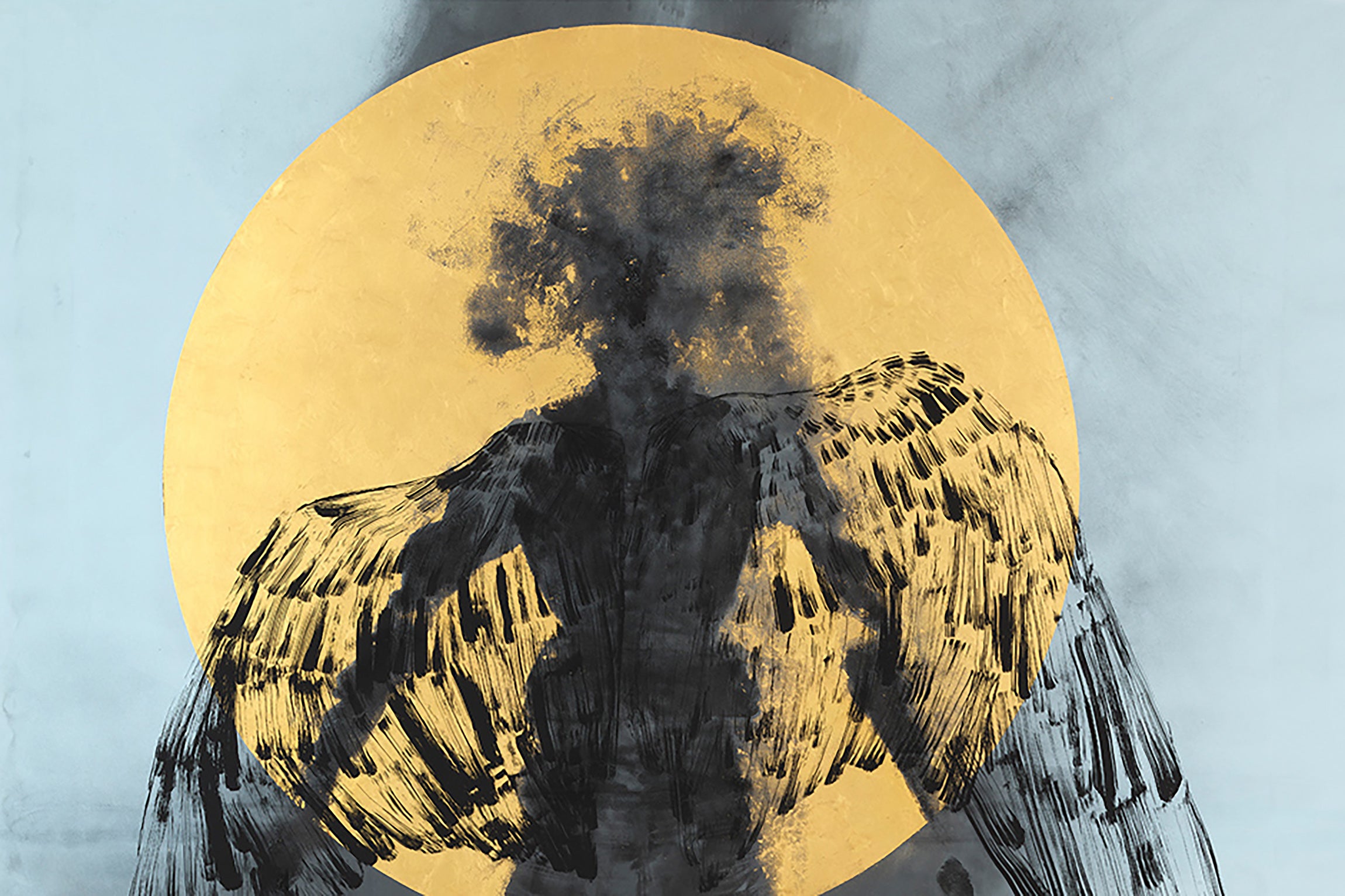
How can emerging artists and designers use their talents to pursue social justice and equity? Where can they turn to for support, encouragement, and community? Such questions inspired RISD President Crystal Williams to organize and facilitate an online panel discussion featuring RISD alum and Obey Giant founder Shepard Fairey 92 IL, multidisciplinary artist and mentor Tracie Ching, provocative visual artist Dread Scott (whose rallying cry against authoritarianism is featured above), and creative activist Yana Buhrer Tavanier, who entered the social justice arena as an investigative journalist.
“I frequently hear from young creatives who are figuring out how they want to engage with the world and wondering why art is important now,” Williams noted as she kicked off the conversation. “Is it possible to build a practice within the existing system and still embody one’s values?”
Fairey, an active member of RISD’s Board of Trustees, was eager to weigh in on the notion of working for change from within and explained that his commercial work—prints, stickers, and other Obey Giant collectibles he sells online—funds his political activism. “Critics say my work is too commercial or impure because I sell things,” he said, “but if I didn’t, my voice wouldn’t be out there in the first place.”


Fairey said he found community organically when he was studying Illustration at RISD. “My peers influenced me and were my sounding board,” he recalled.
Ching found community later in life and said that building a network “made [her] work that much stronger. We Create [the mentorship program she runs] encourages people to find their people,” she added. “It’s important to lash our rafts together and hang on through rough waters!”
“I frequently hear from young creatives who are figuring out how they want to engage with the world and wondering why art is important now.”
And Buhrer Tavanier agreed, adding that “collaborating with others in support of human rights was a game changer. It helped me understand the profound power of art to make people care and act.”
Scott brought up the notion of courage and the importance of taking a stand even in the face of risk. Fall of Freedom, the nationwide protest movement he organized with playwright and RISD Honorary Degree recipient Lynn Nottage HD 21, was created in order to build “collective strength across disciplines,” he explained. “People in oppressive societies can make art and challenge the status quo, and you can too. We need to step up and stick our necks out, especially institutions like RISD.”

Ching has also weighed the risks and considered how speaking out might affect her “late-stage capitalism existence as a freelance illustrator. But I couldn’t stand by any longer and not use the skills I have, the weapon I can wield,” she added. “As a mixed-race woman, I was scared that wading into the political arena would put a target on my back, but I consider it a calculated risk.”
“We need to ... cultivate peace, equality, and respect for human rights and make sure the culture is shifting in the right direction.”
Several of the panelists mentioned nonprofit design lab Amplifier as a great way to get involved. The organization builds art and media experiments to amplify social justice movements, drawing on a diverse group of artists who provide free and open-source art that drives social change.
“Artists drive culture, and culture guides people,” said Fairey. “We need to build systems outside of American politics to cultivate peace, equality, and respect for human rights and to make sure the culture is shifting in the right direction.”
Simone Solondz / top image: Dread Scott’s rallying cry in his work against authoritarianism
May 6, 2026
Rhode Island Histories in Action offers a standards-aligned, historically grounded curriculum that promotes civic literacy, creativity, critical thinking, and interdisciplinary learning.

Alumnus Shepard Fairey offers Rhode Islanders a message of strength and solidarity during the pandemic.

Visiting artist Dread Scott shares his vision for change with RISD students.